You’re healing from your freshly done brows or lip blush, you’ve got some redness or itchiness kicking in, and your first instinct is to reach for the steroid cream in your medicine cabinet. But hang on — will steroid cream ruin a cosmetic tattoo? This isn’t just a niche beauty query — it’s a big deal if you’ve invested in permanent makeup. As someone who’s seen a lot of healed brows go wonky from well-meaning DIY fixes, let me walk you through the what, why, and what-not-to-do.
At Face Figurati Cosmetic Tattoo Studio, I’ve had clients come in with compromised pigment after using topical corticosteroids without realising the risks. As a cosmetic tattooing artist, I can tell you firsthand how crucial proper healing is to maintain your results. So let’s unpack how steroid creams interact with tattooed skin, what the science says, and what you should actually use if irritation or inflammation flares up.
What Are Steroid Creams?
Steroid creams (also known as topical corticosteroids) are anti-inflammatory medications used to treat skin issues like eczema, dermatitis, allergic reactions, atopic dermatitis, and even sunburn. They work by dampening the skin’s immune response and reducing inflammation. Sounds good in theory, right? But here’s the catch…
They also thin the skin, suppress healing, and can interfere with pigment retention, which is not what you want anywhere near a healing cosmetic tattoo or permanent cosmetics.
If you’re working with an experienced cosmetic tattoo artist, they’ll usually warn you about using these products unless explicitly advised by a doctor.
Common Types
| Steroid Type | Strength | Common Names | Over-the-Counter? |
|---|---|---|---|
| Mild | Low | Hydrocortisone 0.5%–1% | Yes |
| Moderate | Medium | Clobetasone butyrate (Eumovate) | Some |
| Potent | High | Betamethasone, Mometasone | No (Prescription Only) |
| Very Potent | Ultra-high | Clobetasol propionate | No (Prescription Only) |
Tattoo Healing
1. It Can Fade or Distort the Pigment
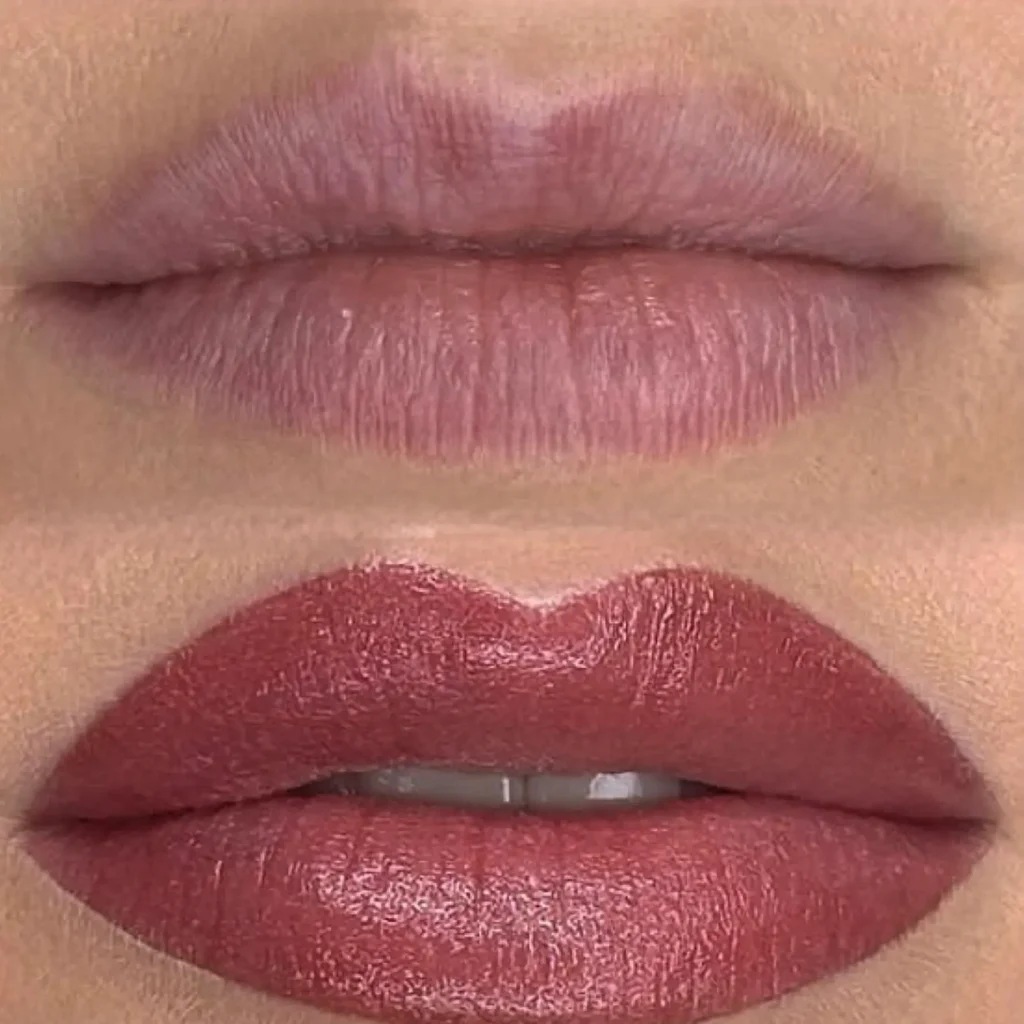
Steroids reduce melanin activity and can interfere with how pigment settles into the skin during the healing tattoo process. I’ve seen cases where brows lost up to 50% of their definition after someone applied steroid cream too early.
2. It Thins the Skin
Thinner skin = less structure to hold onto that tattoo pigment. Over time, this can cause blurring, patchiness, and poor healing, especially in sensitive zones like eyelids, lip tattoos, or dry skin.
3. It Disrupts the Natural Healing Process
Healing after a cosmetic tattoo is about controlled inflammation. That slight swelling? It’s your body doing its job. Steroid creams suppress that, which can lead to uneven healing, risk of infection, fungal infection, viral infections, and even infected tattoo cases if the barrier is compromised.
When to Apply
Short answer: rarely — and only under medical advice.
Sometimes, a doctor or dermatologist might prescribe a short course of low-strength steroid cream if you’re having an allergic or inflammatory reaction around the tattoo site. But even then, it’s a balancing act between managing symptoms and preserving your pigment.
Safer Aftercare Alternatives
- Cool compress or cold compress for swelling or heat
- Unscented healing balms like Bepanthen or Stratacel
- Colloidal oat spray or gel for itch relief
- Fragrance-free moisturisers to support the skin barrier
- Avoid spicy food, salicylic acid, or any actives that might cause irritation
If you’re ever in doubt, especially if you’re based in Queensland, reach out to a reputable cosmetic tattooing Brisbane professional for personalised aftercare advice.
Real Talk from the Treatment Room
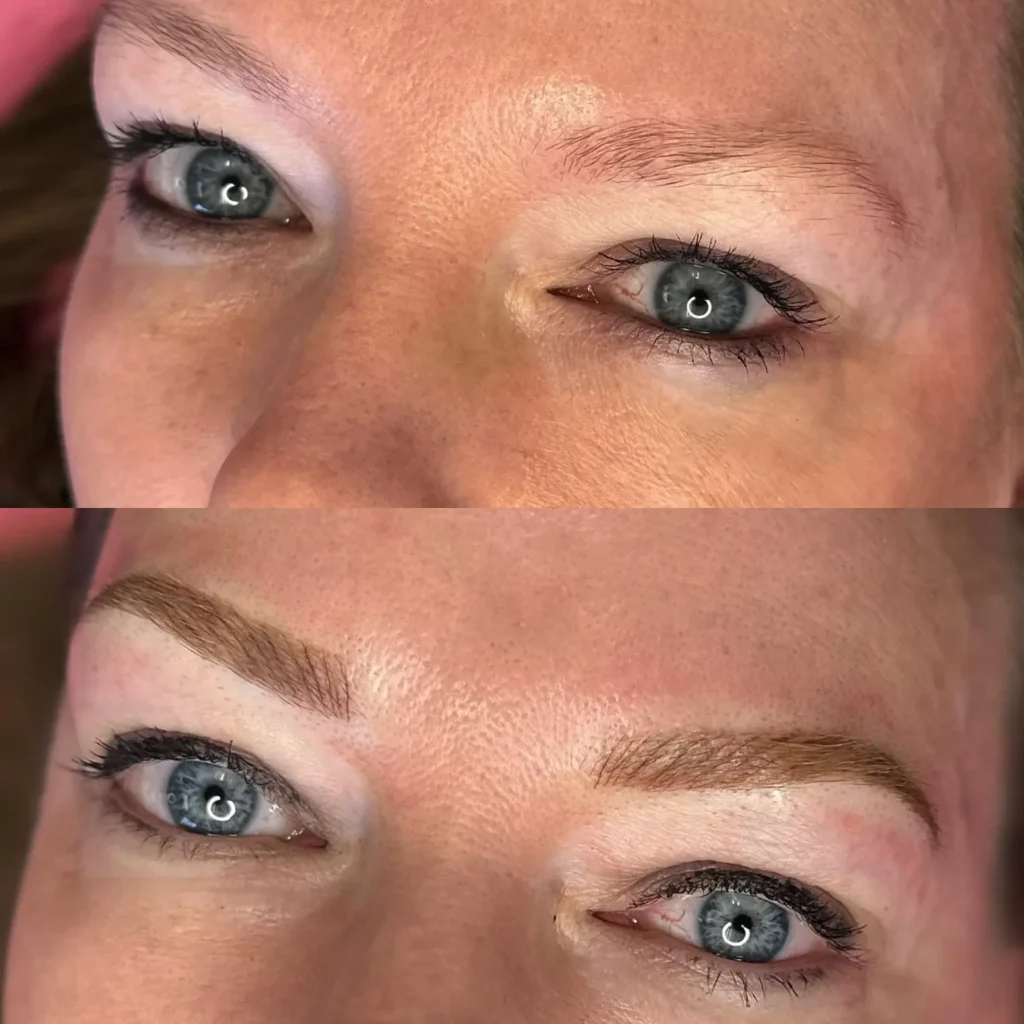
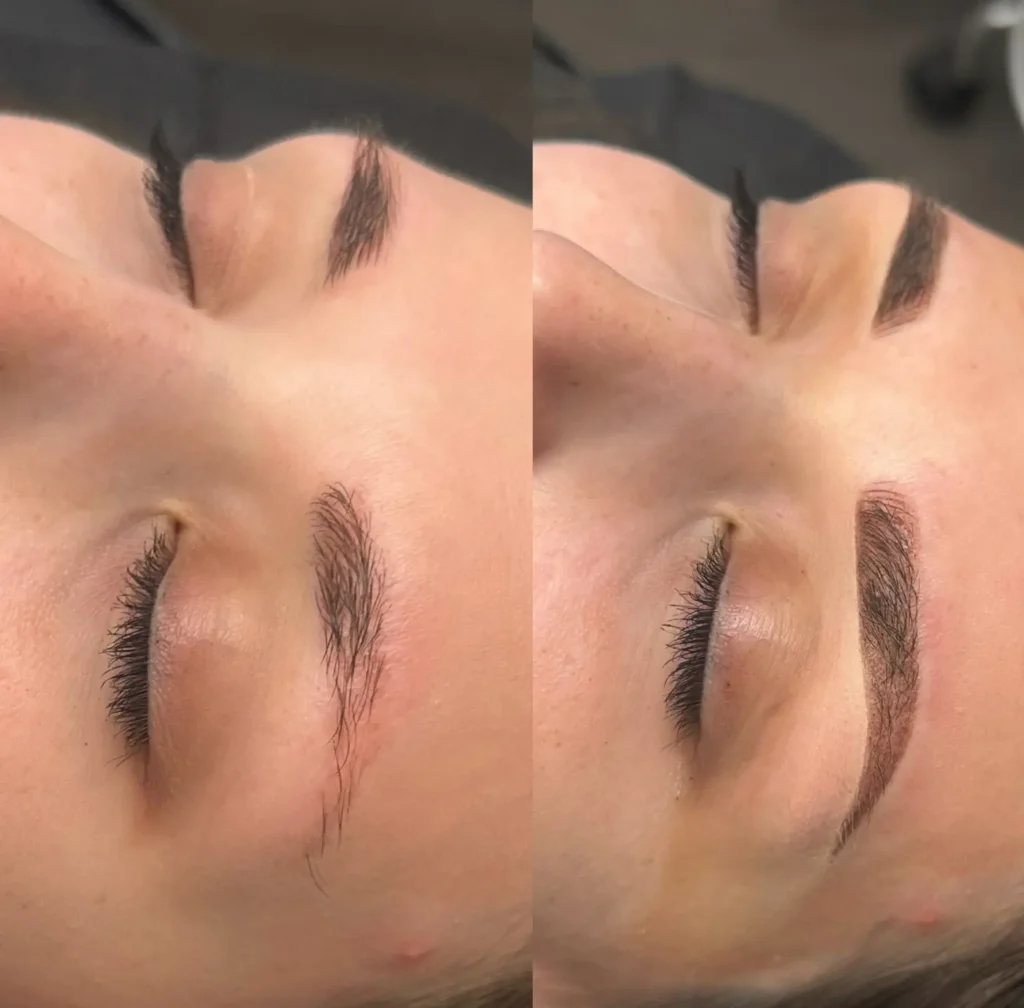
Just last month, I had a client come in with pink-toned brows that looked more like pastel ghost lines than healed individual hair strokes. Turns out she’d used an over-the-counter cortisone cream on day two of healing because she “didn’t want it to look red.”
What happened? The steroid blunted the healing response, the tattooed skin didn’t lock in the pigment properly, and her results faded fast. We’re now doing a full correction using updated techniques and careful proper aftercare.
2025 Trends: Why This Is Still a Hot Topic
According to a 2025 industry report from Skinfluence AU, over 72% of Australians choosing cosmetic tattooing or semi-permanent makeup are also managing a chronic skin condition. With steroid creams still a go-to in many GP offices, it’s no surprise this question pops up in consults all the time.
That same report found that improper aftercare — including topical steroid misuse — accounted for 38% of pigment loss in corrective tattoo cases.
Post-Steroid Tattoo Care Tips
- Stop using the cream immediately
- Contact your artist to assess the damage
- Switch to barrier-supportive aftercare (like Stratacel or Cicaplast)
- Avoid makeup, actives, or exfoliants until healing is complete
- Book a follow-up or correction session if needed — don’t DIY
Final Advice
Topical steroid creams have their place — just not in your cosmetic tattoo healing routine. Unless a doctor has given you a specific protocol, steer clear. That tiny tube could cost you your colour, especially in areas prone to hypertrophic scars or keloid scars.
Whether you’ve just finished an eyebrow tattoo, lip blush, or medical tattooing, keep things simple and aligned with optimal healing. That means steering away from ingredients like coconut oil, sticking to cold compresses when needed, and avoiding numbing agents after the initial tattooing process.
If you’re unsure about what’s safe to use, shoot a message to your tattoo artist or cosmetic tattoo specialist. At Face Figurati, I’d rather answer a quick skincare question than see a client come in devastated over avoidable fading or complications from tattoo infections and complications from foods.
The best results in cosmetic tattooing come from a combo of great technique and smart aftercare — and that means knowing what to avoid as much as what to use.
Your skin deserves support, not sabotage — whether it’s sensitive skin, psoriasis skin, or just typical healing variation by skin types or blood sugar levels.
FAQs
Can I use steroid cream after a brow tattoo?
Only if prescribed by a doctor — and even then, with caution. Over-the-counter creams should be avoided during the healing process to avoid poor healing or loss of Cosmetic Tattoo Pigment Retention.
What happens if I accidentally use steroid cream on my lip blush?
You might notice pigment loss or patchiness. Stop using it immediately and check in with your artist to see if a tattoo touch-up or correction is needed.
Will steroid cream ruin an old tattoo?
It won’t “ruin” a fully healed tattoo, but long-term use can thin the skin and cause pigment to fade more quickly over time, especially for decorative tattooing or permanent cosmetics.
What’s a safe alternative to steroid cream for itchy tattooed skin?
Try a cold compress, colloidal oat spray, or a fragrance-free balm like Cicaplast or Bepanthen. Avoid coconut oil or numbing agents.
Is it normal to feel itchy after a cosmetic tattoo?
Yes — mild itchiness is part of the healing tattoo process. Just don’t scratch or apply random creams without checking first. This is especially important for sensitive skin conditions and to avoid cutaneous tattoo reactions or infections like Mycobacterium chelonae, Mycobacterium abscessus, Mycobacterium fortuitum, and Mycobacterium massiliense linked to contaminated water or tools in rare cases of laser tattoo removal or semi-permanent makeup procedures.