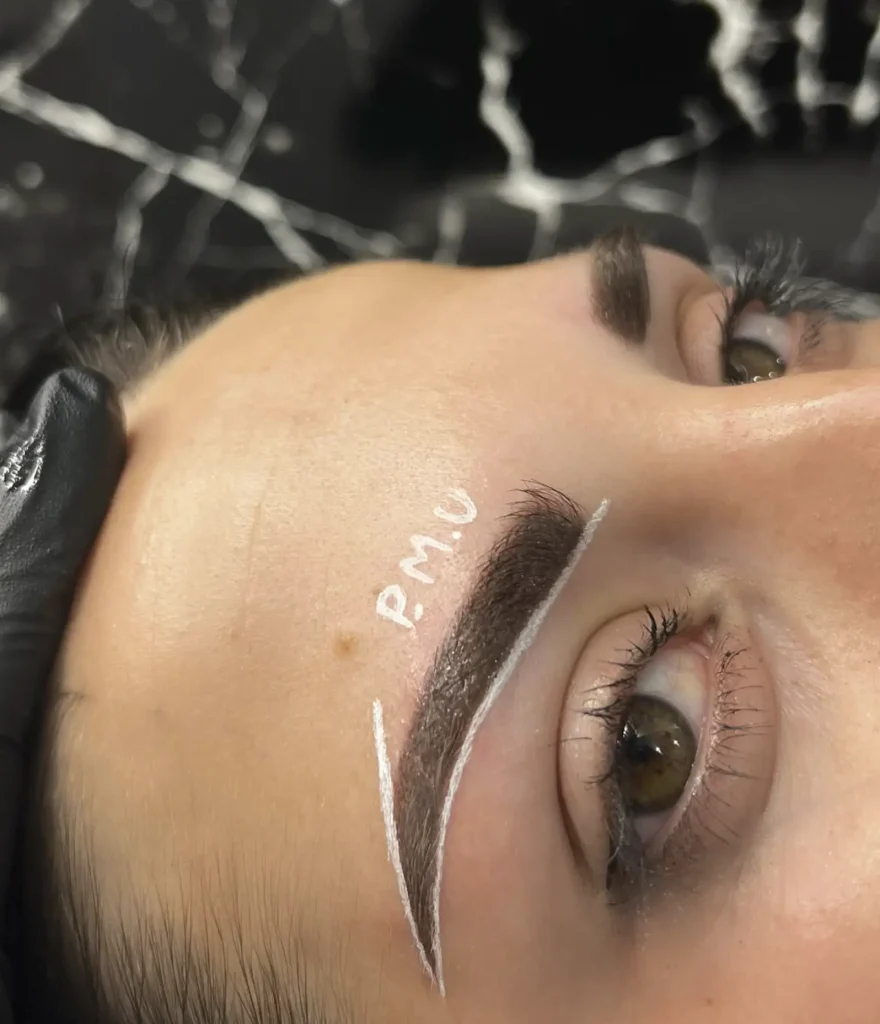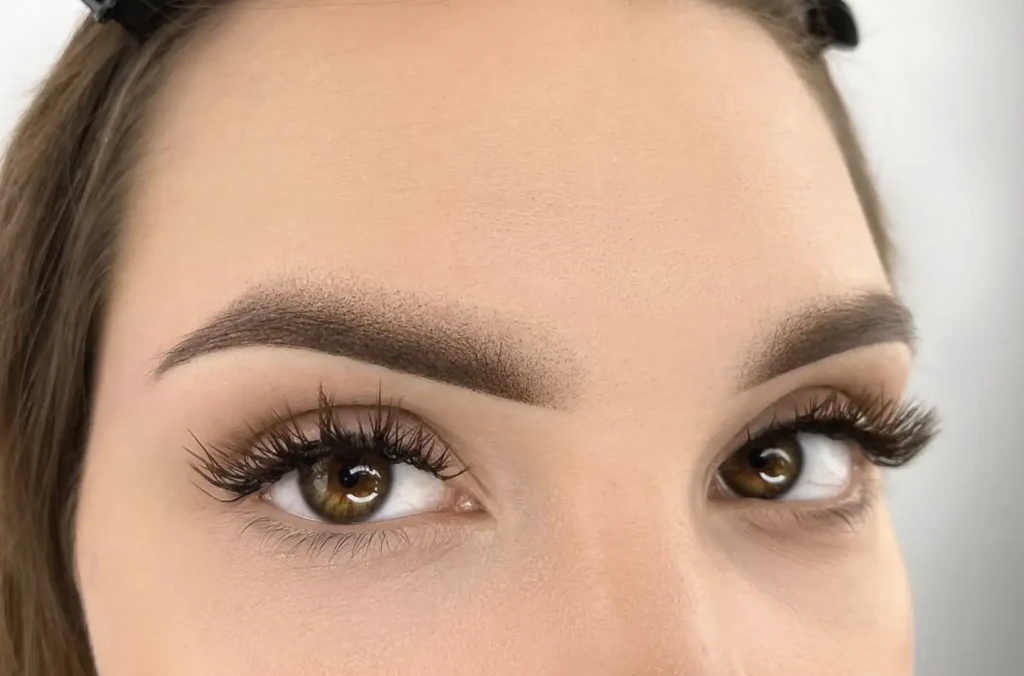
“Are the pigments ‘organic’ or ‘mineral’ for ombre tattooing?” is a question I get asked all the time in the studio – usually after someone shows me a Pinterest brow that looks like it was done by a different artist altogether – especially when we’re in Melbourne, where the lighting makes everything look totally different.
Hi, I’m Olha Po, founder of Cosmetic Tattoo Studio in Melbourne – Face Figurati. Been around this industry nearly a decade now, and I can tell you this: the terms organic pigments and mineral pigments are often over-simplified, misused and sometimes used purely as marketing spin.
Let’s cut through the hype and confusion around organic pigments, inorganic pigments and hybrid pigments in cosmetic tattooing – specifically when it comes to ombre brows. If you’ve ever searched for an ombre eyebrow tattoo near me and found yourself overwhelmed by all the different advice out there, this is for you.
Why Your Brow Colour Choice Affects Long-Term Results
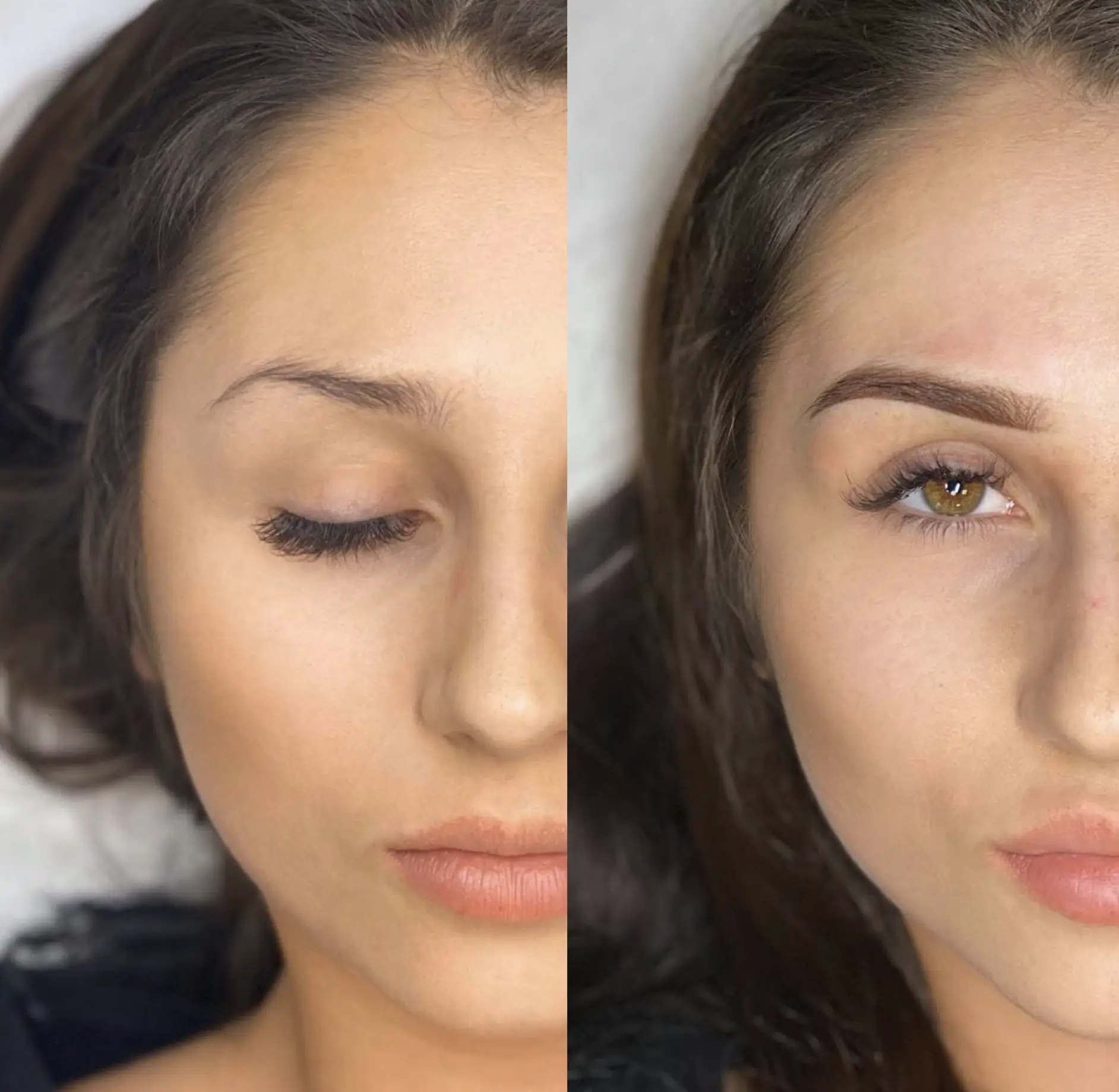
Choosing the right permanent makeup pigments isn’t just a technical detail – it affects the way your colour turns out, the way your skin heals and the overall colour retention. Trust me, I’ve seen my fair share of uneven eyebrow results – and I’ve learned the hard way what happens when you get the wrong pigment on the wrong skin.
In Melbourne, where the sun can be pretty harsh, and people are often busy, pigment behaviour becomes even more crucial. UV exposure can break down pigment particles, which affects the tone and longevity of your tattoo – especially if you’re investing in powder brows in Melbourne and hoping for them to last.
Carbon-Based Pigments And Their Behaviour In Skin
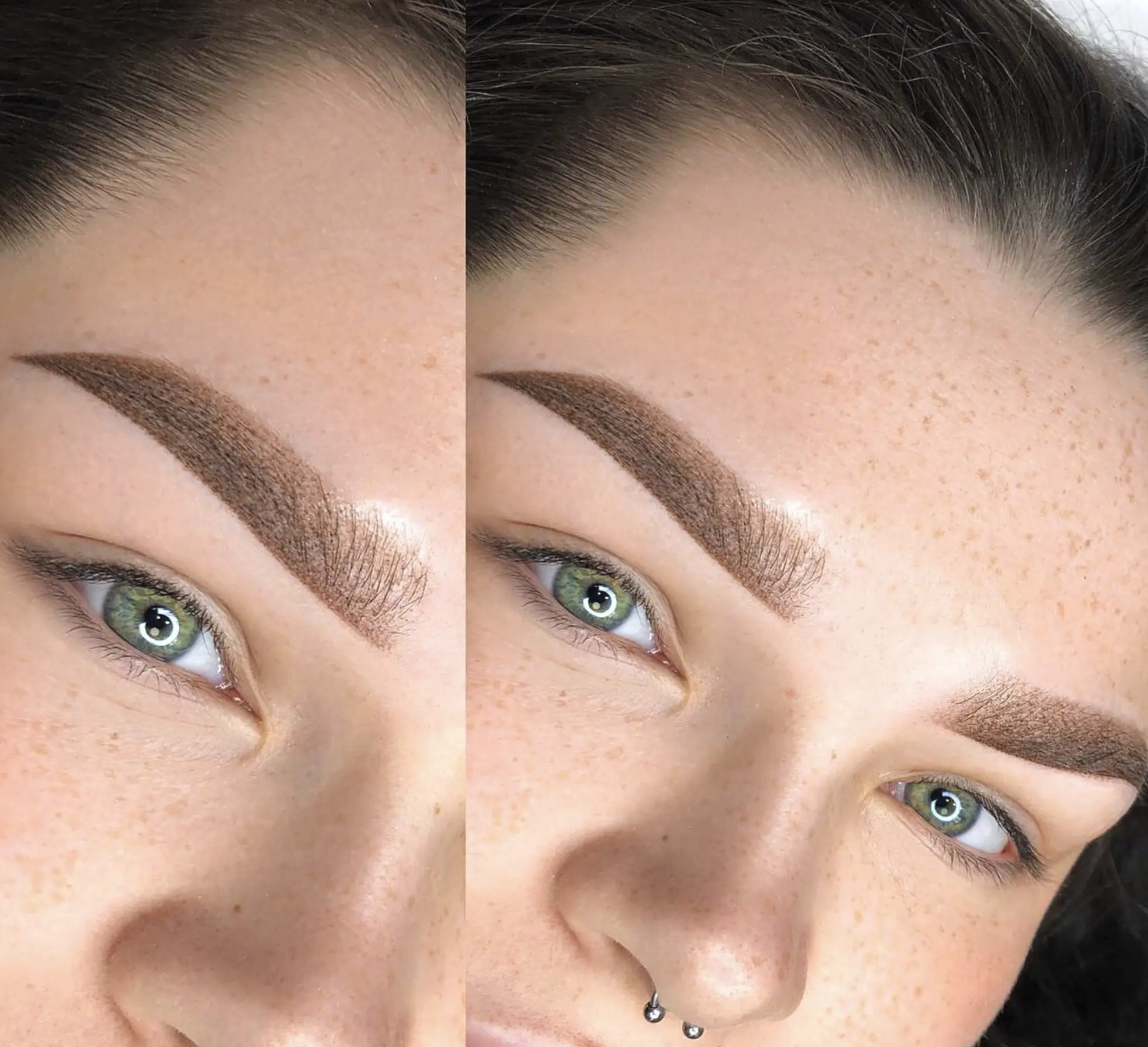
In terms of cosmetic tattooing, organic pigments are carbon-based compounds. These are commonly used in modern PMU pigments because they give a strong colour and a smooth finish – perfect for doing soft gradient work like an eyebrow powder tattoo.
They’re great at creating definition and can really hold up when applied well. However, their smaller pigment particles and high intensity mean they do need to be balanced carefully. If not, they can fade to a cooler tone over time – especially under repeated UV exposure.
Iron Oxide-Based Pigments And Their Stability
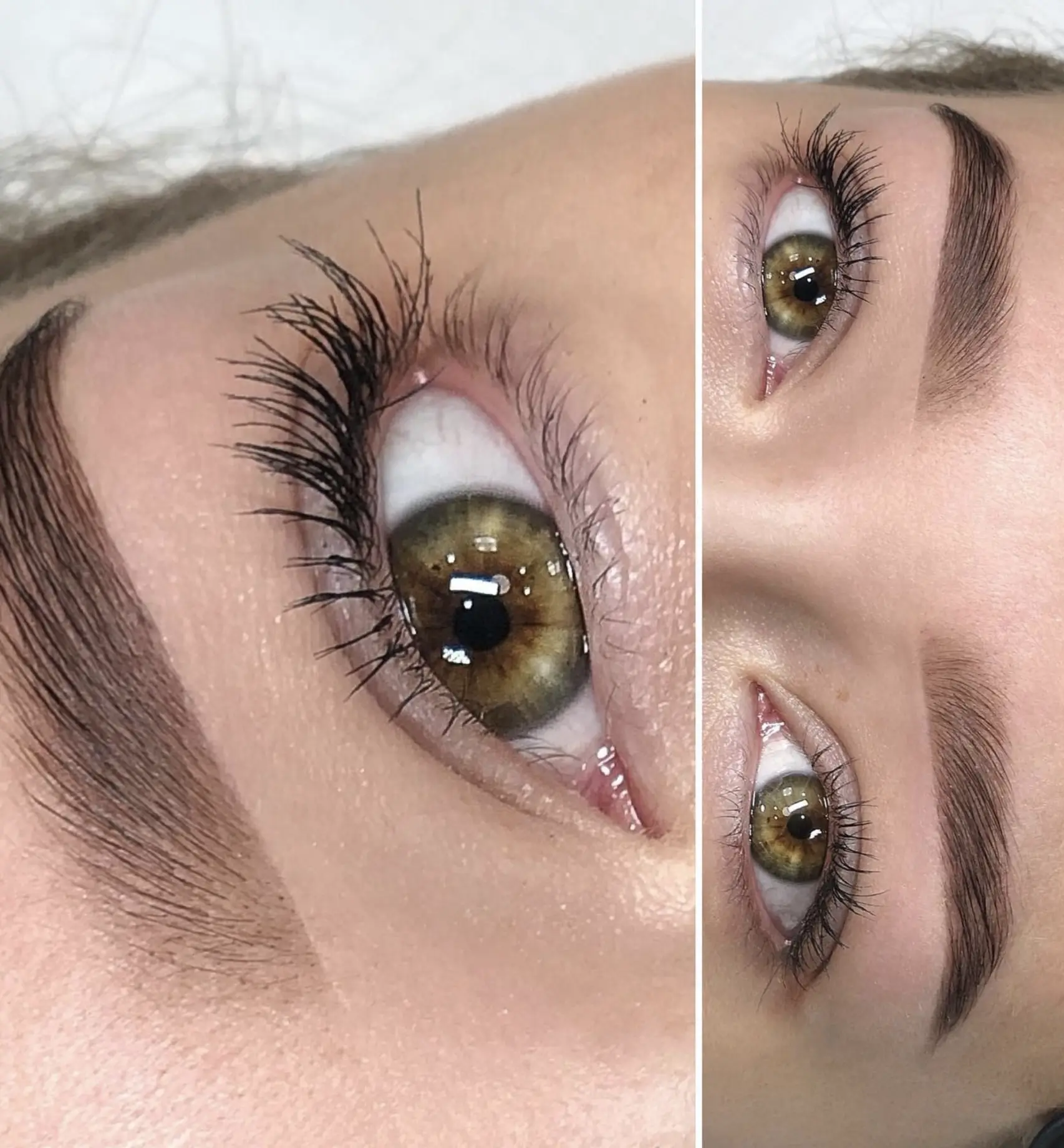
On the flip side, mineral pigments – also known as inorganic pigments – are usually made from iron oxides. These include cosmetic-grade iron oxides and compounds like zinc oxides, which are widely used in semi-permanent makeup pigments.
They tend to heal softer and more diffused, with a predictable pigment particle composition. This is great for clients who prefer a subtle finish or have really sensitive skin.
However, they can fade to a warmer tone over time, which may appear as a reddish or orange hue in healed brows if not properly balanced.
Why Blended Formulas Deliver The Most Natural Results
Now here’s the bit that often gets missed online – and it’s really, really important.
Most professional artists don’t choose between organic and mineral. We use hybrid pigments that combine organic and inorganic pigments to control how the colour looks now and how it fades later.
At Cosmetic Tattoo Studio Melbourne Face Figurati, I work with advanced permanent makeup pigments that blend carbon-based tones with iron oxide pigments. This lets me adjust pigment behaviour, improve colour retention and tailor every ombre eyebrow to the individual.
Side-By-Side Comparison (What Actually Matters)
| Feature | Organic Pigments | Mineral Pigments | Hybrid Pigments |
|---|---|---|---|
| Base Type | Carbon-based | Iron oxide pigments | Combined |
| Colour Intensity | High | Soft | Balanced |
| Pigment Behaviour | Strong, but can shift cool | Stable, may fade warm | Controlled |
| Colour Retention | High | Moderate | Optimised |
| Use In Ombre Brows | Excellent | Limited alone | Ideal |
How I Select The Right Colour For Each Client
Every brow colour decision starts with your skin – & not what’s trending on Instagram
1. Your Skin Type
With oily skin, the brow colour can break down faster, meaning it won’t last as long. Dry skin helps the colour last longer, while combination skin can heal differently across the brow.
2. Undertones And The Colour Wheel
By using the colour wheel, I can get the right warm tones from iron oxides or the right cool tones from carbon. This prevents the colour from fading incorrectly as your brow heals and ages.
3. Skin Condition & History
If you’ve had tattoos or have sensitive skin, I’ll use special, lightweight brow pigments to help them heal evenly. This stops any uneven colours or migration.
Real Client Story (Because This Happens A Lot)
One of my clients came to me after getting an ombre brows tattoo elsewhere. Within a year, her brow colour had faded to a grey tone.
The issue wasn’t just the colour, it was the way it was done:
- She was using pure organic pigment
- No warmth was added
- The depth was all wrong
We sorted the colour using a special blend of iron oxide pigments, which restored some much-needed warmth and made it last longer. It just goes to show that knowing about brow pigments is just as important as getting the technique right.
What To Expect During Healing
Knowing how brow pigments behave as they start to heal takes away a lot of anxiety.
In the first few days, the colour looks a bit darker because the pigment is sitting closer to the surface. Around day four, you start to flake a bit as the excess pigment just falls off naturally. By the second week, the colour really starts to settle, and your brows might even look a bit lighter. It’s about four to six weeks before your final colour shows through – this is when a touch-up really gets the best results.
Preparation Checklist (Before Your Appointment)
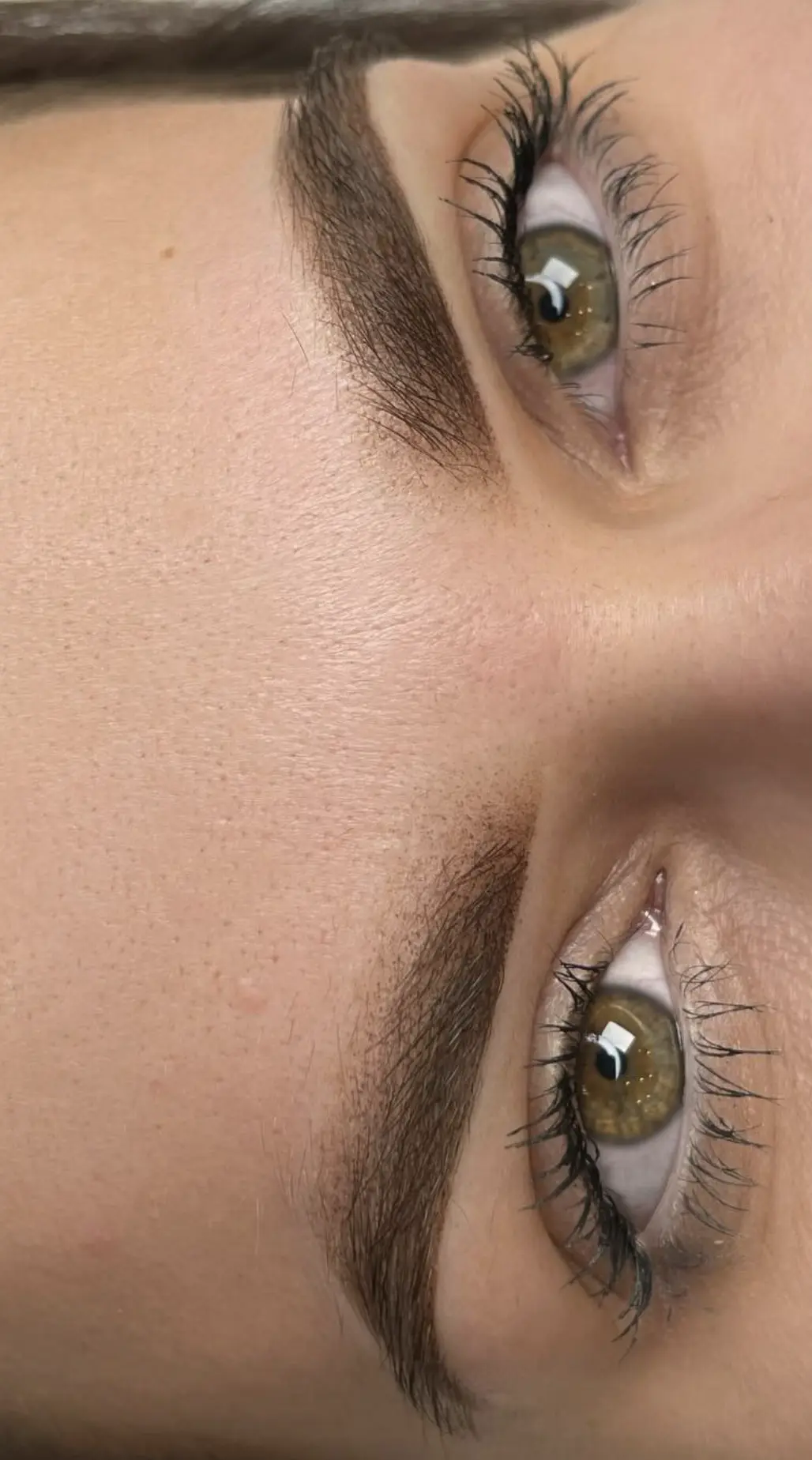
Before we get started, there are a few little things you can do that make a big difference to how your brow pigment heals.
Try to avoid any booze, stop using any active skincare products and try to keep out of the sun. And we all know how important it is to wear good sun cream, especially here in Melbourne, where the sun is really strong – the state of your skin before treatment really does affect how well your brows hold their colour.
Aftercare Tips (This Affects Pigment Retention)
Aftercare isn’t optional; it’s part of the whole treatment
Keep the area clean, avoid licking or picking at the flaky skin, and once the healing process is over, try to protect your brows from the sun. Sun damage breaks down the pigment, causing it to fade.
Melbourne Factor: Why UV Exposure Changes Everything
Australia’s got some pretty harsh UV levels – and that’s a big deal for your skin. According to the Cancer Council Australia, even on mildly sunny days, UV radiation can cause damage. And when it comes to your eyebrows, that damage can be serious.
For your brows, UV radiation:
- Breaks down pigment particles
- Alters pigment behaviour
- Reduces colour retention
If you want an ombre eyebrow that’s still looking great in years to come, SPF is pretty essential.
Pricing Context (What You’re Actually Paying For)
In Melbourne:
- Ombre brows from $400–$900 AUD
- Based on the artist’s experience, pigment quality, and technique
At Cosmetic Tattoo Studio Melbourne Face Figurati, our pricing isn’t just about slapping a price on a treatment – it’s about understanding the expertise that goes into making sure your brows last.
Common Myths I Hear In The Studio
Much of the confusion around pigments and aftercare stems from simplified marketing. People throw the words “organic” and “mineral” around, but what do they really mean?
“Organic” just refers to the chemical structure of the pigment.
“Mineral” means inorganic pigments like iron oxides, and it’s got nothing to do with being natural or better.
And then there’s the fact that no pigment works the same on every person – it’s all about your skin type, your lifestyle and how well you take care of your brows.
Final Thoughts
When it comes down to it, choosing between organic and mineral pigments isn’t about making a choice – it’s about understanding how both work together.
At Cosmetic Tattoo Studio Melbourne Face Figurati, I choose the pigments that are right for you based on your skin, your undertones, and how your brows will age – not just how they look on day one.
A good ombre eyebrow isn’t just about the initial result – it’s about how it holds up months later, when the sun has been shining, you’ve been wearing makeup, and your brows have been through every day’s ups and downs.
FAQs
Do carbon-based formulas always give a better definition?
They can give you a strong colour, but on their own, they can be a bit uneven and might fade cooler over time.
Are iron oxide-based options always more stable?
They’re pretty predictable because of their composition – but they can fade warmer if they’re not balanced right.
What makes hybrid blends more reliable?
Well, it’s all about combining different pigment types to get the best out of them and ensure your colour stays stable over time.
Can colour spread or blur after treatment?
Yep, if the treatment is done too shallow, it can lead to some slight colour migration – especially with finer particle formulas.
Why does colour fade differently for each person?
It’s all about your UV exposure, your skin type and how well the pigment particles were implanted in the first place.