So you’ve landed here asking, “How Long Should I use a Straw After Lip Blush?” You’re probably fresh out of your Lip Blush Tattoo appointment, sipping nervously through a straw, or about to book in and already Googling all the Aftercare Instructions. I’m Olha Po, a licensed cosmetic tattoo artist at Cosmetic Tattoo Studio Melbourne Face Figurati, and I’ve been helping clients heal beautiful, natural lip colour with semi-permanent makeup since 2016. Trust me — the straw question comes up at nearly every consult, and for good reason: how you drink, eat, and care for your lips in those first few weeks has a huge impact on your healing process, lip health, and final pigment colour.
In this guide, I’ll break down everything you need to know about using a straw after lip blushing tattoo sessions: the healing phase timeline, why it matters, what can go wrong, and when you can finally relax and sip that latte without worrying about pigment loss. We’ll also cover aftercare balm routines, skincare products to avoid, real client experiences, and Melbourne-specific tips (because let’s face it — summer rosé on the Yarra or a hot soy flat white in winter are hard to resist).
Why Straws Matter During Healing
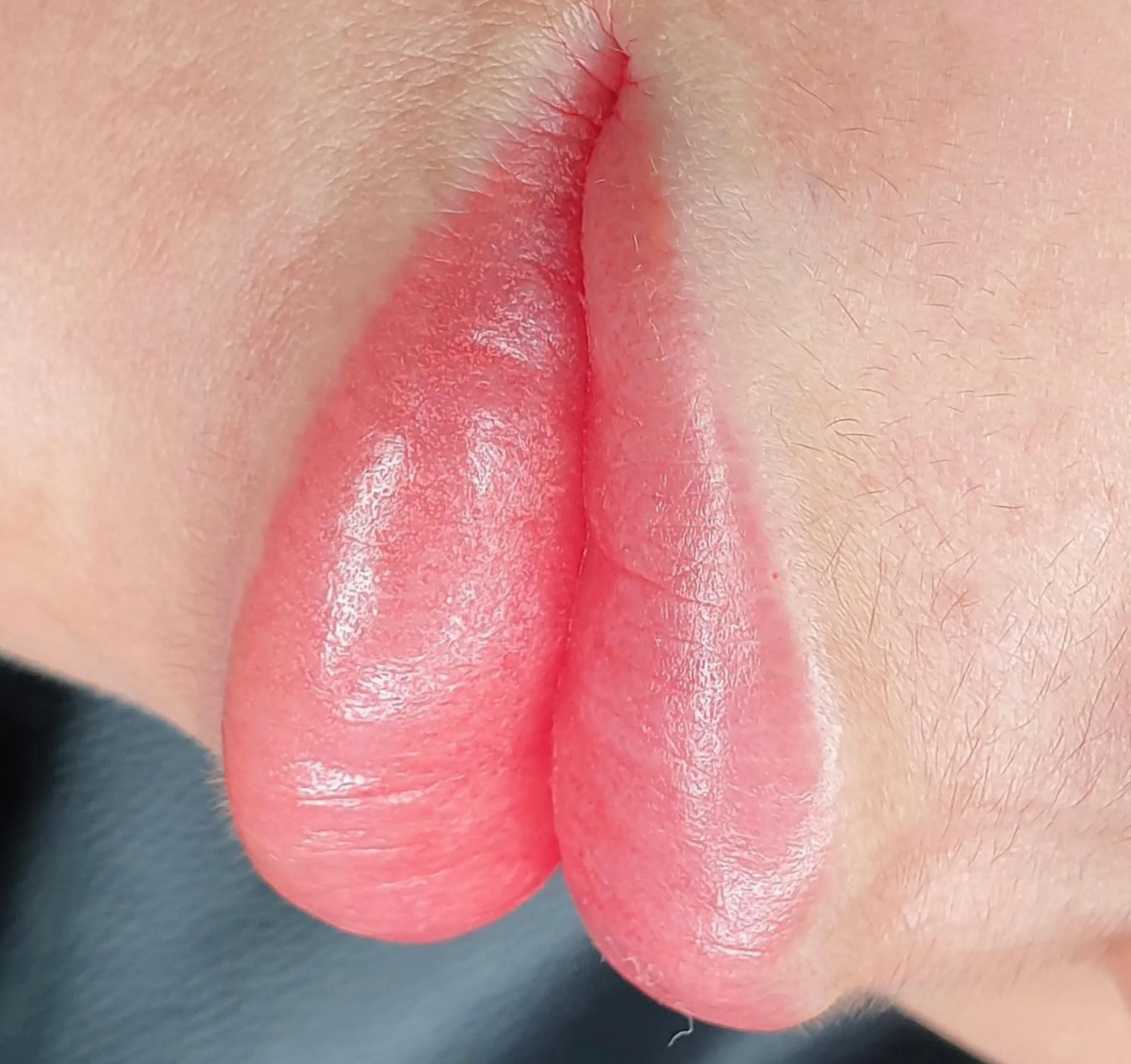
In the first healing phase, your lips are essentially an open wound covered with a delicate layer of pigment. Anything that touches them — from your lip gloss wand to a coffee cup — risks introducing bacteria, disrupting skin regeneration or pulling pigment out before it has a chance to stabilise. Straws offer a clever workaround: they let you drink without smudging or soaking your lips. But here’s the catch — straws themselves can still cause friction, suction or contamination if used too soon.
I’ve seen clients do brilliantly with straw use in the first week, keeping lymph fluid and liquid away from the surface entirely. I’ve also seen lips scab unevenly when a straw is stuck too firmly to carbon crusts. The trick is knowing when a straw helps and when it hinders during the lip blush healing process.
Healing Timeline
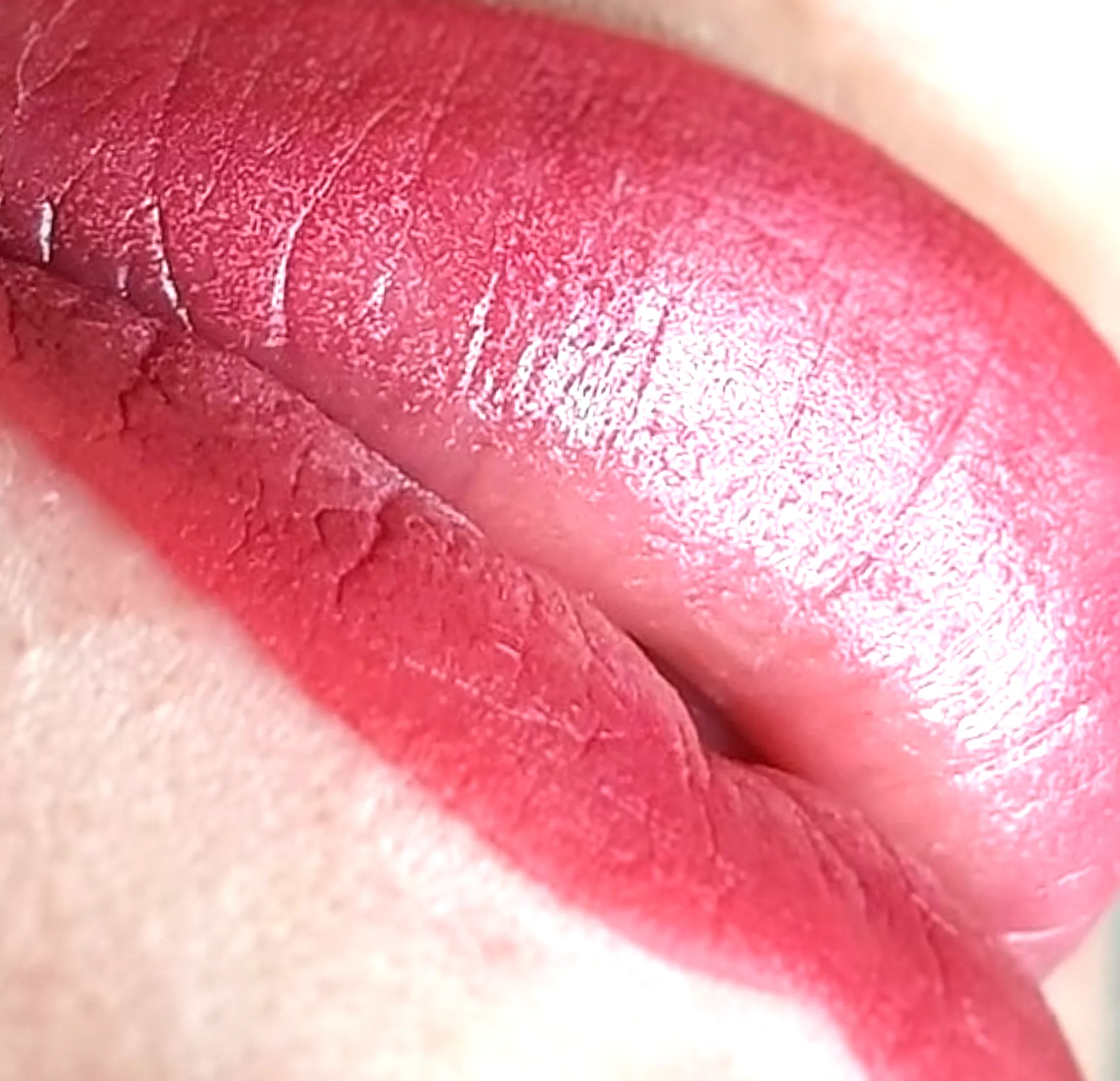
Healing isn’t the same for everyone, but there are consistent phases most clients experience. Knowing what stage your lips are in makes the straw decision much easier.
| Healing Phase | Days | What’s Happening | Straw Use? |
|---|---|---|---|
| Immediate | 0–2 | Lips swollen, tender, and with very fresh pigment | Yes, but carefully with disposable straws and cool water |
| Peeling | 3–7 | Flaking, dryness, and carbon crusts forming | Yes, but avoid suction; best for water only |
| Settling | 8–14 | Pigment looks faded, lips still fragile | Optional; cups can be reintroduced cautiously |
| Stabilising | 15–28 | Pigment resurfaces, lip colour evens out | Straws are no longer required |
These times are averages. Some of my Melbourne clients heal faster (especially younger skin with strong immune systems), others — particularly mature clients with dermal filler injections, iron deficiency or a history of cold sores — may take longer and sometimes antiviral medication.
The First 72 Hours: Why Caution Matters Most
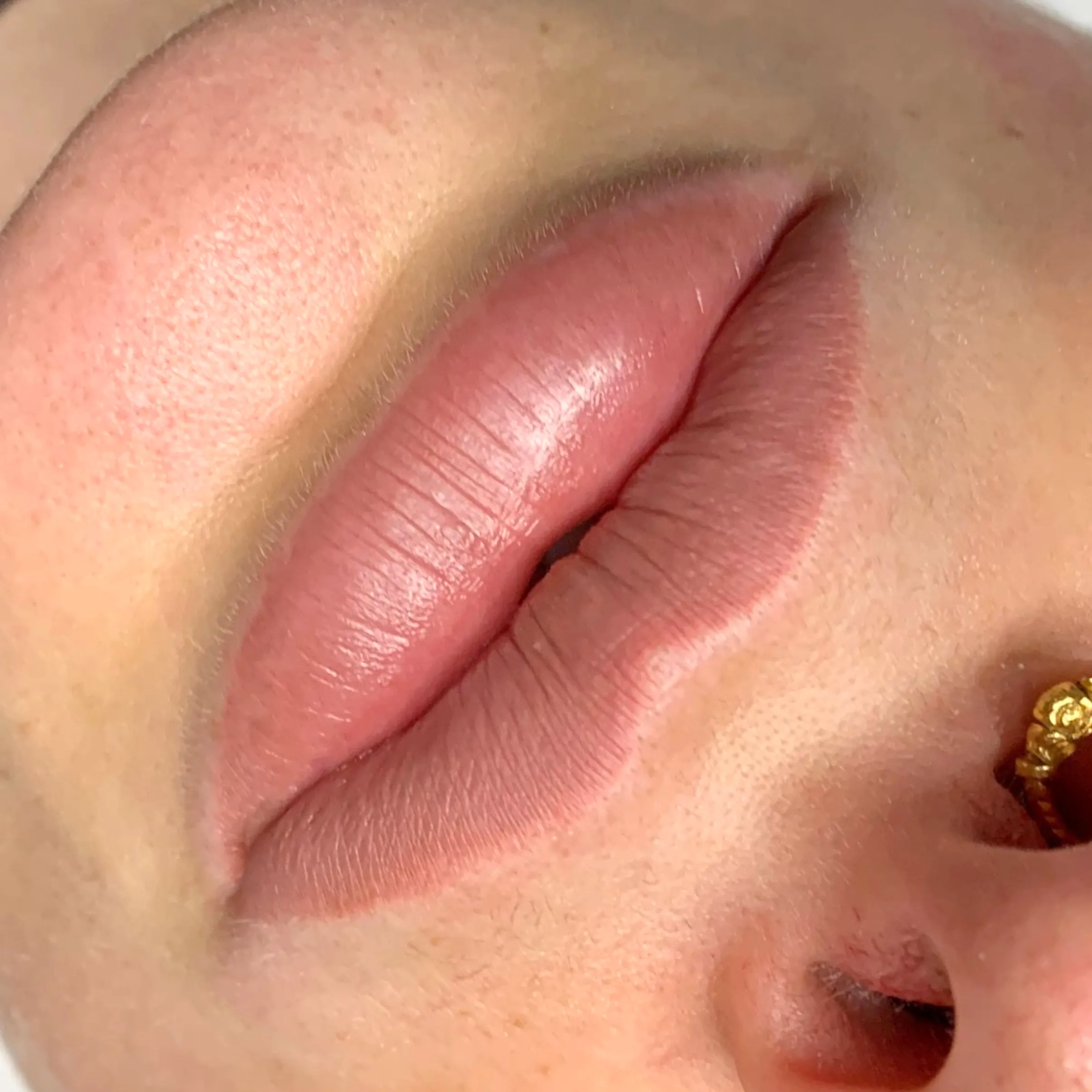
Think of the first three days as the VIP section of your healing journey. This is when your lips are most susceptible to bacterial infection and pigment disruption. Using a clean straw for water is often the safest option because it reduces direct contact. But you must avoid hot drinks, tanning beds and cosmetic surgery appointments during this time. Hot liquids increase body heat and blood flow, which can push pigment out and delay skin regeneration.
At Cosmetic Tattoo Studio Melbourne Face Figurati, I recommend clients stick to room temperature water through a straw, use cotton pads with cooled boiled water for gentle cleansing and avoid chemical peels or exfoliating treatments. One client once sipped a hot chai latte on day one — the steam and suction together caused uneven pigment colour retention. Lesson learned.
Week One: The Peeling Stage
By day three or four, most clients notice peeling and flaking. This is when the lips can look patchy, faded or even alarming. Straws are still useful here, especially for hydration with water, but the key is gentle use. No biting the straw or pressing it against fragile carbon crusts.
This is also the week when the temptation to apply lip balm constantly kicks in. Hydration is important, but overuse of healing balm or medicated cream can soften scabs too early. I always advise applying a thin layer of aftercare ointment with clean cotton tips or a muslin cloth — not fingers — and resisting the urge to peel. Straws can be a friend, but patience and skincare discipline are better allies in lip tattooing recovery.
Week Two: Fading, Fluctuations and Freedom
By the second week, the lips usually look lighter than expected. This is the stage when pigment is settling under the skin, collagen production is repairing, and clients often text me in a panic saying, “It’s gone!” Don’t worry — pigment colour will resurface. At this stage cups and glasses are usually fine to use again provided you keep them clean and avoid irritants like spicy food, lip liner or strong skincare products. If you’re still concerned about contamination, a straw won’t harm, but it’s not necessary. I recommend clients start to get back to normal habits — it helps the lips to adjust naturally and blend with natural lip colour without over-protection.
Month One and Beyond: When Straws Become Optional
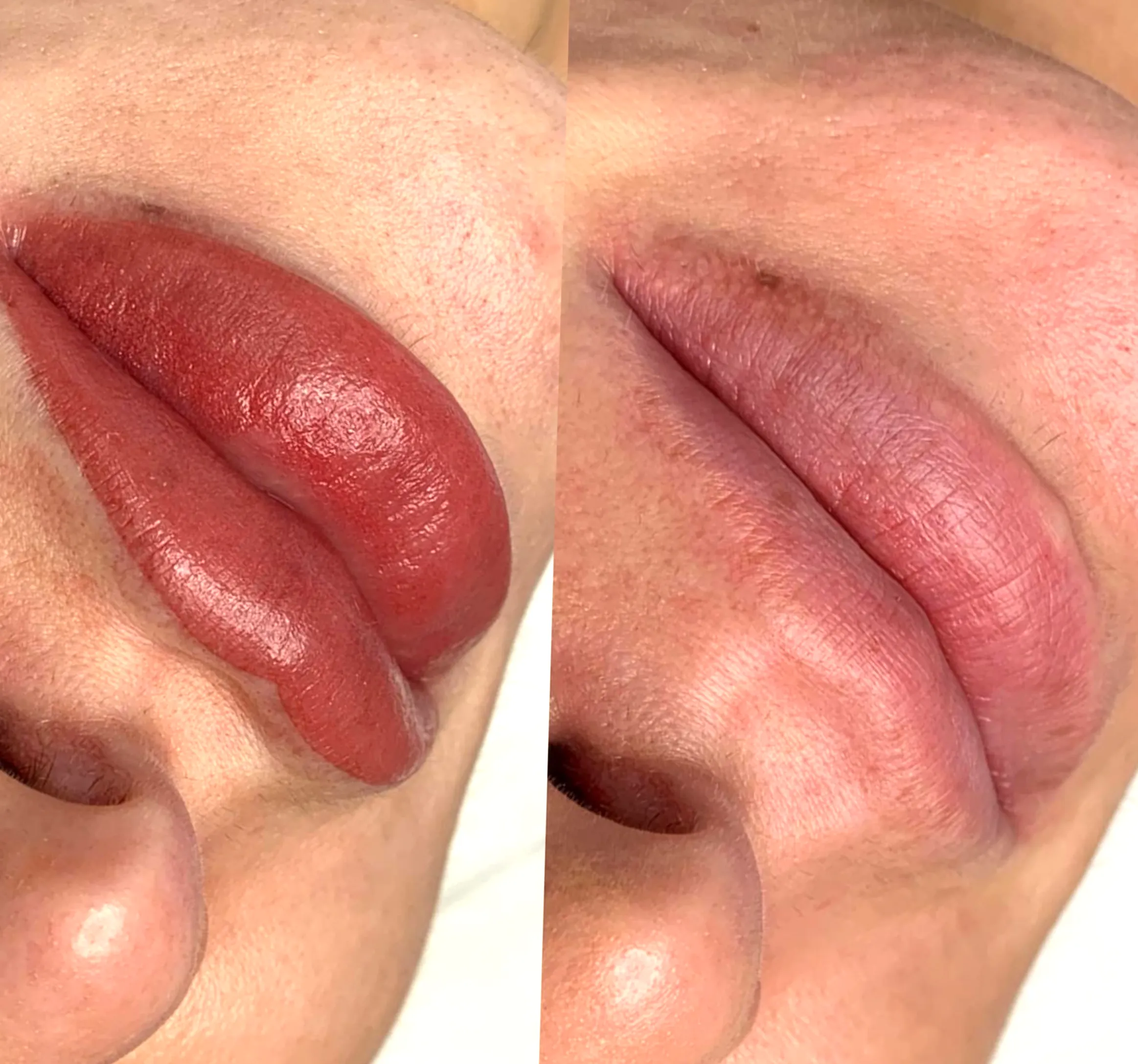
After 3-4 weeks, your lips are generally healed. The colour is back, the skin has regenerated, and straws are optional. Some clients continue to use straws to avoid coffee staining or lipstick transfer, others ditch them. From a tattoo perspective, the risk is gone. Now it’s about lifestyle and lip health.
Remember: lip blush is semi-permanent makeup. Daily habits like excessive sun exposure, tanning beds or skipping SPF lip balm can still shorten how long a lip tattoo lasts. Straws may protect against staining, but aftercare balm, sun protection, touch-up appointments and a personalised treatment plan do far more for longevity.
Melbourne Lifestyle Factors That Influence Healing
- Winter heating dries lips quickly — keep a healing balm handy.
- Summer humidity softens scabs faster — hands off peeling skin.
- Outdoor dining culture means exposure to glasses and utensils — consider disposable straws for the first week.
- Coffee culture is strong here, but hot lattes are risky early on. Choose iced versions in week one.
- Cosmetic trends like dermal fillers, anti-aging injectables or cosmetic surgery should always be spaced well away from lip tattooing to protect skin regeneration.
Real Client Stories: The Straw Question in Action
One of my younger clients, 22, healed in 10 days and was sipping cocktails glass-to-lip by day 8. Another client in her 50s, prone to cold sores and using antiviral cold sore medication, needed the full month before she felt comfortable without straws. Both had great lip colour results, but their lip blush healing process was different.
The moral of the story? Every healing journey is unique. Factors like age, skin type, immune system, dermal filler injections and even iron deficiency can change the timeline.
Risks of Using Straws Too Soon
- Suction damage: Pulling off carbon crusts too soon.
- Heat exposure: Hot drinks steaming into fragile tissue.
- Hygiene risks: Reusable straws holding bacteria.
- Pigment disruption: Uneven healing and colour gaps.
By avoiding these, you’ll have stronger colour retention and fewer touch-ups later.
Straw Use: Hygiene and Safety Tips
- Use disposable paper or plastic straws in week one.
- Only cool or room temperature liquids.
- Clean your lips with a cotton pad if you spill.
- Never share straws — cold sores spread easily.
- Don’t use reusables until after the full healing phase.
At Cosmetic Tattoo Studio Melbourne Face Figurati, we provide sterile straws and a micro tonic spray in every aftercare kit — it’s just easier and hygienic.
Evidence and Statistics: Aftercare Compliance Matters
A 2023 Australian survey of cosmetic tattoo clients found 78% of pigment loss was due to poor aftercare. Clients who followed instructions with straw use, antiviral medication when needed and aftercare balm were 45% less likely to need major touch-ups. That’s a big difference.
It confirms what I see daily in my studio: aftercare discipline makes lip blushing tattoo success way more than pigment brand or tattoo machine choice.
Aftercare Checklist for Lip Blush Healing
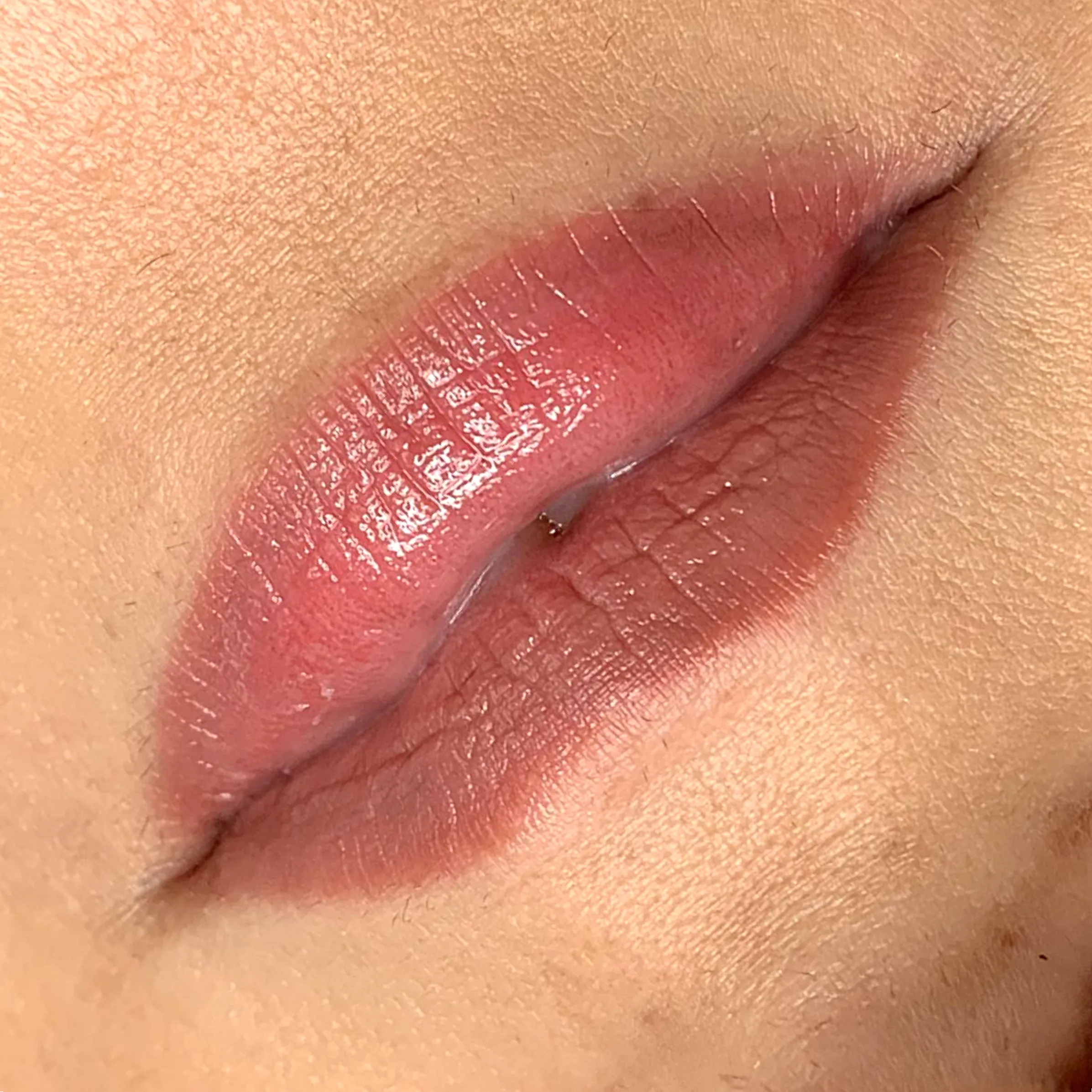
- Use disposable straws for cool water in week one.
- Avoid hot drinks, spicy food, tanning beds and alcohol in the first week.
- Apply aftercare ointment 3-4 times daily with cotton tips or a muslin cloth.
- Keep hands and lip gloss wands away from healing lips.
- Avoid chemical peels, exfoliating treatments or harsh skincare products until healed.
- Protect with SPF lip balm daily after healing.
- Book touch-up appointments 6-8 weeks later.
Final Thoughts and Takeaway
Straws after a Lip Blush Tattoo aren’t about being fussy — they’re about protecting your investment. For most, straws are helpful in week one, optional in week two, and irrelevant by week three or four. Lip health, SPF lip balm, touch-up appointments, and a personalised treatment plan matter more in the long run.
At Cosmetic Tattoo Studio Melbourne Face Figurati, I remind my clients that aftercare is teamwork. You invest in permanent makeup and together we protect it with smart habits. Still unsure about your healing phase or how long a lip tattoo lasts? Pop by for a consult — I’ll guide you through every step.
Author: Olha Po — Licensed Cosmetic Tattoo Artist, Melbourne
FAQ
Can I use lip balm straight after my Lip Blush Tattoo?
Yes, but only the healing balm provided in your aftercare kit. Avoid fragranced or medicated creams that can irritate the healing process.
How do cold sores affect lip blush healing?
Cold sores can trigger pigment loss. If you’re prone, your personalised treatment plan may include antiviral cold sore medication to prevent flare-ups.
Is sun exposure really that bad?
Yes. Sun exposure accelerates pigment fading and compromises lip health. Always use SPF lip balm once fully healed.
Can skincare products or cosmetic surgery affect results?
Yes. Chemical peels, exfoliating treatments, dermal fillers and cosmetic surgery too close to your appointment can affect pigment colour and skin regeneration. Always allow healing time before combining treatments.
What if I drink without a straw too soon?
Don’t stress. Clean gently with a cotton pad, reapply aftercare balm and continue with your healing phase plan. One slip-up won’t ruin everything.