
Is it better to fly or drive around Australia? Honestly, it’s down to how much time you’ve got, what kind of traveller you are and whether you’re after landscapes or ticking off cities. Australia is a bloody big place – nearly 7.7 million square kilometres – which means figuring out how to get around needs a bit of thought, rather than just turning up with a cooler full of snacks and a few favourite tunes.
I’ve done both a fair few times, to be honest. I’ve flown from one side of the country to the other in just five hours & I’ve also spent ages crawling along behind a road train on the Eyre Highway, taking in the endless horizon of the Nullarbor Plain and getting to the cliff edge of the Great Australian Bight. Both have their points; it just boils down to knowing when to use which one.
This guide should give you a pretty clear idea of the pros and cons – we’re talking distances, costs, how long it’ll take and what road conditions are like, as well as all the good stuff you’ll miss out on if you go down one route over the other.
Enormous Size Changes How You Travel
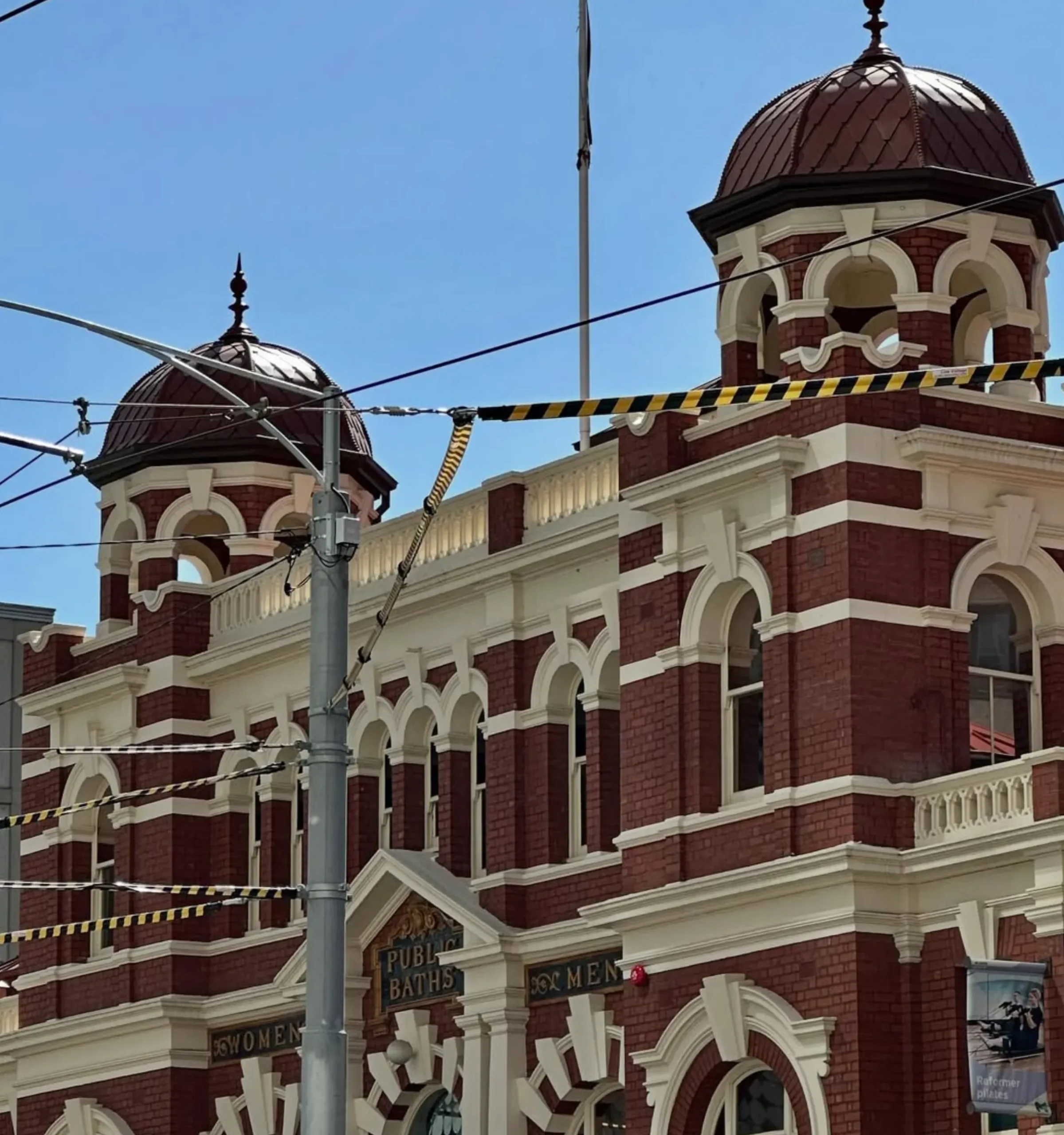
Australia looks pretty doable on a map – until you actually get in a car & start driving. Those distances between major places can stretch on for thousands of kilometres, and the scenery can change so much between them that it’s like driving through a whole different country.
Typical Travel Distances Across Australia
| Route | Distance | Driving Time | Flight Time |
| Sydney → Melbourne | ~880 km | 9 hours | 1.5 hours |
| Sydney → Cairns | ~2,420 km | 26 hours | 3 hours |
| Darwin → Adelaide | ~3,000 km | 31 hours | 4 hours |
| Perth → Sydney | ~3,900 km | 40+ hours | 5 hours |
Driving across the country will transport you from the rugged alpine landscapes of Kosciuszko National Park and the twists and turns of the roads near Mount Hotham, on through the sleepy inland towns to Port Augusta in South Australia, and finally down to the heart of the Red Centre around Alice Springs.
But, of course, flying just plain skips all that. It also skips the scenery, which is a bit of a shame.
Domestic Flights: The Fastest Way To Cover Big Distances
Flying’s the fastest way to get around a country this massive. Domestic routes make it easy to hop between major cities, which means you can get to places like Tropical North Queensland, Port Douglas or Western Australia’s lovely Coral Coast in a few hours.
Flying really pays off when you’re heading for some of those iconic – but often hard to get to – natural wonders like the Great Barrier Reef, Ningaloo Reef or the old rainforests of the Daintree – all of which have UNESCO World Heritage listings to their name.
It’s all about the time – you can wake up in Sydney and still be snorkelling above coral reefs or strolling through the Daintree by the afternoon.
Of course, there are downsides – you lose that sense of discovery you get when you stop at roadside attractions, and you rarely get to see the country itself.
Long-Distance Road Travel: The Classic Experience

For many of us, driving in Australia is a travel dream – just think of it – long stretches of road, endless skies and landscapes that just seem to unfold across the horizon.
But, let’s be realistic – not every route is a world-beauty – some are just long, straight roads with nothing much changing for hours.
Take the famous Ocean Road in Victoria, for example. That one winds along the coast past some amazing limestone formations like the Twelve Apostles, then drops you at dramatic spots like Loch Ard Gorge and beachside towns near Bells Beach. It’s a travel documentary come to life.
And then there are the really remote drives – like the Nullarbor Plain or the Gibb River Road in the Kimberleys – they’re rugged, isolated and utterly unforgettable.
Driving also gets you to some of the places that flights find hard to reach – from the alpine rivers of the Snowy River region to some of the most remote national parks outback.
Comparing The Real Costs Of Each Travel Style
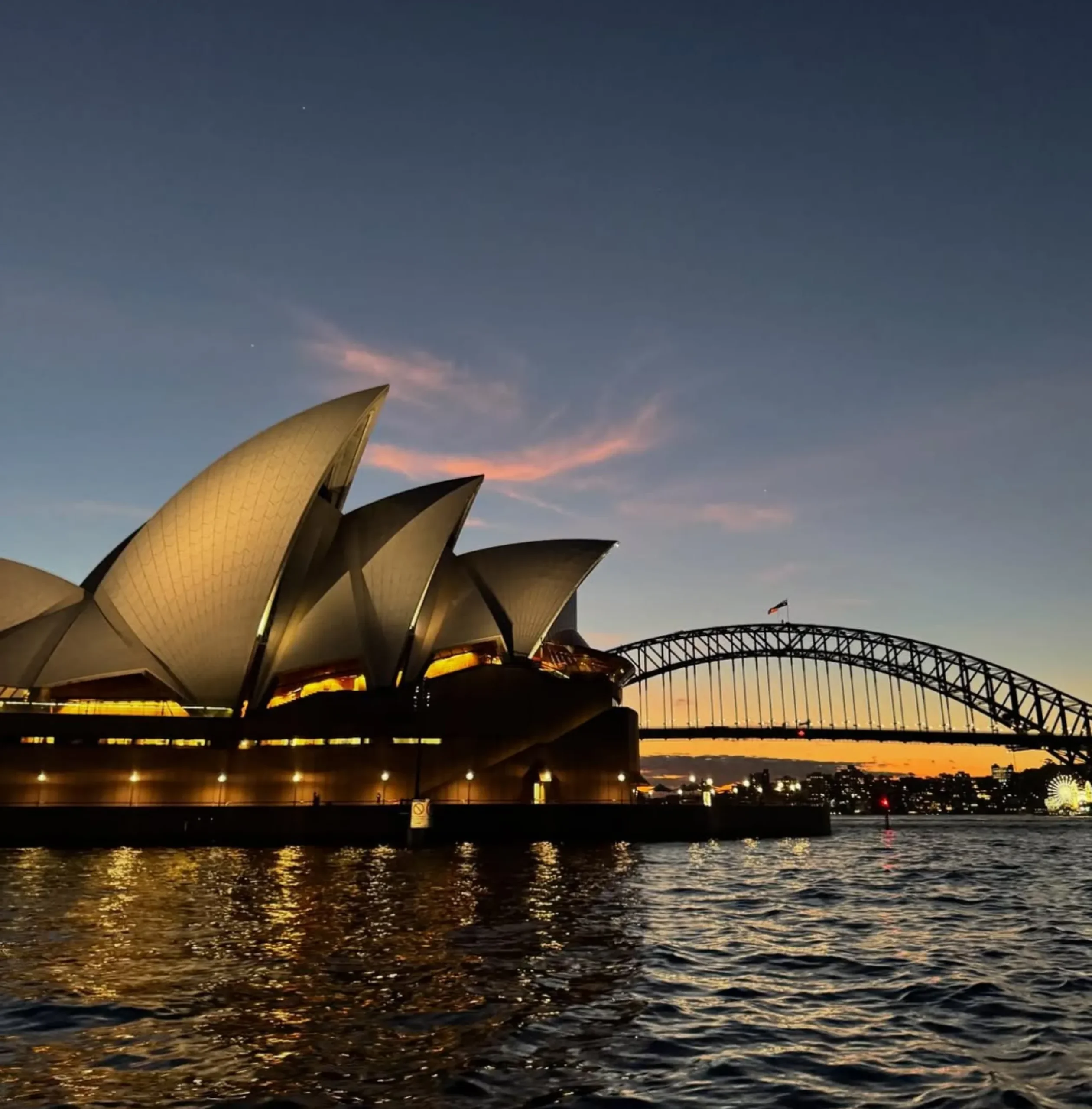
You’d think driving would be cheaper than flying, wouldn’t you? But it’s not always the case.
Fuel, accommodation, car hire, and wear on the vehicle all start to add up in no time.
Estimated Travel Costs
| Travel Method | Typical Cost Example |
| Domestic Flight | $120–$350 one way |
| Fuel (1,000 km drive) | $160–$250 |
| Car Hire Per Day | $60–$120 |
| Accommodation | $120–$250 per night |
For example, a Sydney–Melbourne road trip might end up costing you
Between $200 to $300 in fuel alone.
$150 to $250 on accommodation – and that’s if you’re staying in mid-range places.
And then there are food and other expenses to consider.
On the other hand, a flight would set you back between $150 to $200 and take a mere 90 minutes.
The maths changes if you’re travelling with a bunch of people. A full car helps spread the costs nicely.
But if you’re on your own, you might find flying’s the more cost-effective option.
The Time Factor
Time’s the main deciding factor when it comes to how you get from one end of the country to the other.
Driving across the continent can be an adventure, but it’s not exactly a quick one.
Example: Crossing Australia
Driving from Sydney to Perth takes around:
3,900 kilometres
40–45 hours driving time
At least 5–7 days realistically
That route will take you past the famous Nullarbor Links golf course along the Eyre Highway and will treat you to the stunning coastline of the Great Australian Bight.
Flying, on the other hand, will take around five hours – that’s a pretty big difference.
For a two-week holiday, spending half of that time stuck in a car may not be the best way to spend your time.
Unique Experiences Only Road Trips Deliver

Despite the time commitment, road trips have one thing going for them that flights simply don’t – the ability to stumble upon places you never even knew you wanted to visit.
You’ll have those ‘aha’ moments where a wrong turn leads to a gem you never would have found otherwise.
Moments Only Driving Delivers
A stunning sunrise over the cliffs of the Great Australian Bight.
Pulling over near Loch Ard Gorge along the Ocean Road and being left breathless.
Watching the surfers tackle the waves at Bells Beach.
Spotting some wildlife near Kosciuszko National Park or along the Snowy River.
Driving the coastal curves and coming face to face with the Twelve Apostles.
Australia’s landscapes are part of the story, not just the backdrop. And you only see them properly from the road.
Situations Where Air Travel Makes The Most Sense
There are times when flying is just the most practical option
Flying Works Best When
You’ve got places to visit, which are really far apart
Your itinerary involves multiple states
You’re short on time
You value comfort over the idea of long drives
For example:
Sydney to Cairns to Darwin to Perth – that route takes you to some incredible spots like the Great Barrier Reef, the rainforest of Tropical North Queensland & the remote coral coast of Ningaloo Reef.
Driving that loop would take weeks – flying makes it possible in just a few days.
Regional Journeys That Reward Slow Driving
Road trips shine when your destinations are all within the same region.
Ideal Road Trip Regions
Victoria’s coastal route – the Ocean Road – is just stunning.
A trip around Tasmania, taking in the Wineglass Bay and Bay of Fires coastline.
South Australia’s trips to Kangaroo Island and Vivonne Bay.
The alpine roads near Mount Hotham.
Western Australia’s rugged South West coast – Cape Leeuwin to Cape Naturaliste.
These routes are designed to be easy on the legs – short driving days & unforgettable landscapes.
You’ll spot more wildlife, meet more locals and experience Australia in all its glory without having to spend too much time stuck in an airport.
A Hybrid Approach: The Best Of Both Worlds
The smartest travel strategy in Australia is to strike a balance between flying and driving – it’s a no-brainer.
Fly over long distances and hire a car locally – that way, you can get some of the best parts of both worlds.
Example Hybrid Itinerary
Fly from Sydney to Darwin
Grab a rental vehicle and off you go
Drive to Kakadu to see the incredible Ubirr Aboriginal rock art – it’s a real highlight.
Fly from Darwin to Perth
Then head out to explore Western Australia’s stunning coast – all the way to Ningaloo Reef is a real treat.
This hybrid approach saves you heaps of time, so you can still experience the thrill of a road trip without spending too long stuck behind the wheel.
A lot of seasoned travellers do the Big Lap around Australia, and they use this hybrid approach when time is short – and that’s a strategy that really pays off.
Practical Travel Tips For Both Options
Let’s face it – no matter how you’re travelling across Australia, you still have to do some planning.
Drivers need to be ultra-careful about how often they fill up with petrol, make sure they carry spare water, and download some offline maps on their phones – you never know when they’ll lose signal in the middle of nowhere.
And if you’re flying, you need to book in advance during peak season and keep an eye on your luggage allowance – especially on the cheap airlines.
Both flying and driving work – but both require a bit of effort on your part.
Cultural Awareness When Travelling
Australia’s landscapes are deeply connected to the cultures of First Nations peoples – we’re talking tens of thousands of years of history here, and communities like Torres Strait Islanders, who’ve been living on this land for as long as anyone can remember.
Lots of the places you’ll visit on your trip – from the desert landscapes to the ancient rock art galleries – are still super important to the Traditional Owners.
So the key to being a responsible traveller in Australia is to respect local culture, follow the rules, and support local guides who care about the environment and wildlife, such as Australia wildlife tours with Wildlife Tours. These guys operate with conservation in mind, and that’s something to get behind.
Finding The Right Balance Between Speed And Experience

The thing is, when you’re travelling across Australia, you always have to balance speed and immersion on the fly.
Flying gets you across the continent in no time – but driving gives you a chance to soak up the atmosphere – to see the smaller towns and the amazing landscapes that are just a little off the beaten track.
For most of us, the best approach is a bit of both – get the speed of flying, but experience the in-between bits by driving.
FAQ
Is it cheaper to fly or drive across Australia?
Generally, flying is cheaper for long distances – especially when you factor in fuel, accommodation and all that sort of stuff. But driving can be more economical for groups or shorter trips to regional areas.
How long does it take to drive around Australia?
The Big Lap is around 14,000-16,000km and can take anywhere from 3 – 6 months if you’re doing it properly.
Is it safe to drive long distances in Australia?
Yes – but you have to be prepared. Remote areas need special care with fuel planning, water supplies and a healthy dose of wildlife awareness.
What’s the best way for first-time visitors to explore Australia?
Lots of people mix flights between major cities with some regional road trips to places like the Ocean Road or Tasmania’s east coast.
Can you realistically see Australia in 2 weeks?
In a word – yes – but you have to focus on a few places and use flights between them. Trying to drive the whole country in that time is just not going to happen.