So, how much is a Kakadu Park Pass? Let’s get straight to it before the mozzies find us. As of 2025, a standard adult entry pass is $40 per person for 14 consecutive days, with discounts for kids, concession holders and NT residents. Sounds simple, but there are seasonal quirks, park pass prices and practical details that first-time visitors usually miss. That’s where I come in — Paul Beames, boots dusty from too many NT national parks, here to lay it out straight with some trip planning advice you won’t find in the brochures.
Who Needs Entry and Why It Matters
Before you fire up the 4WD, know this: nearly everyone entering Kakadu National Park needs a pass. It’s not just a fee — it funds rangers, cultural programs with Traditional Owners, track maintenance, park pass revenue and those lifesaving crocodile warning signs. The only real exemptions are for NT locals, under-16s and school groups on approved school trip permits.
- Adults (non-resident): $40 for 14 days
- Concession: $30 for 14 days (carry your driver’s licence or ID)
- Children under 16: Free
- NT residents: Free (show ID)
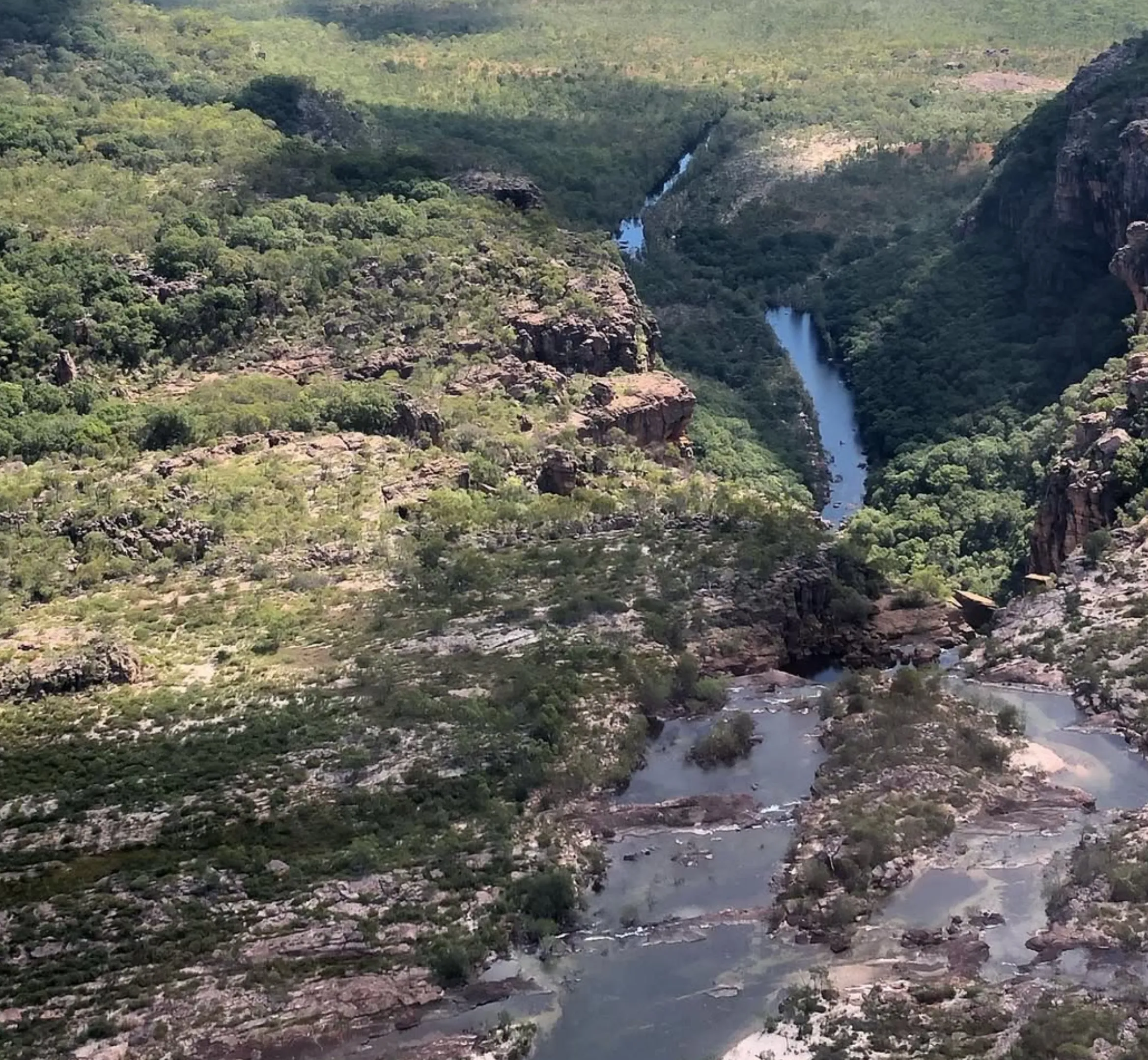
When you think about the size of Kakadu (it’s the size of Slovenia), that’s a bargain for one of Australia’s most important national parks.
Breaking Down Costs: Dry vs Wet Season Pricing
Here’s where it gets interesting. The park has two main price structures based on seasons:
| Visitor Type | Dry Season (Apr–Oct) | Wet Season (Nov–Mar) |
| Adult | $40 | $25 |
| Concession | $30 | $19 |
| Child (<16 yrs) | Free | Free |
| NT Resident | Free | Free |
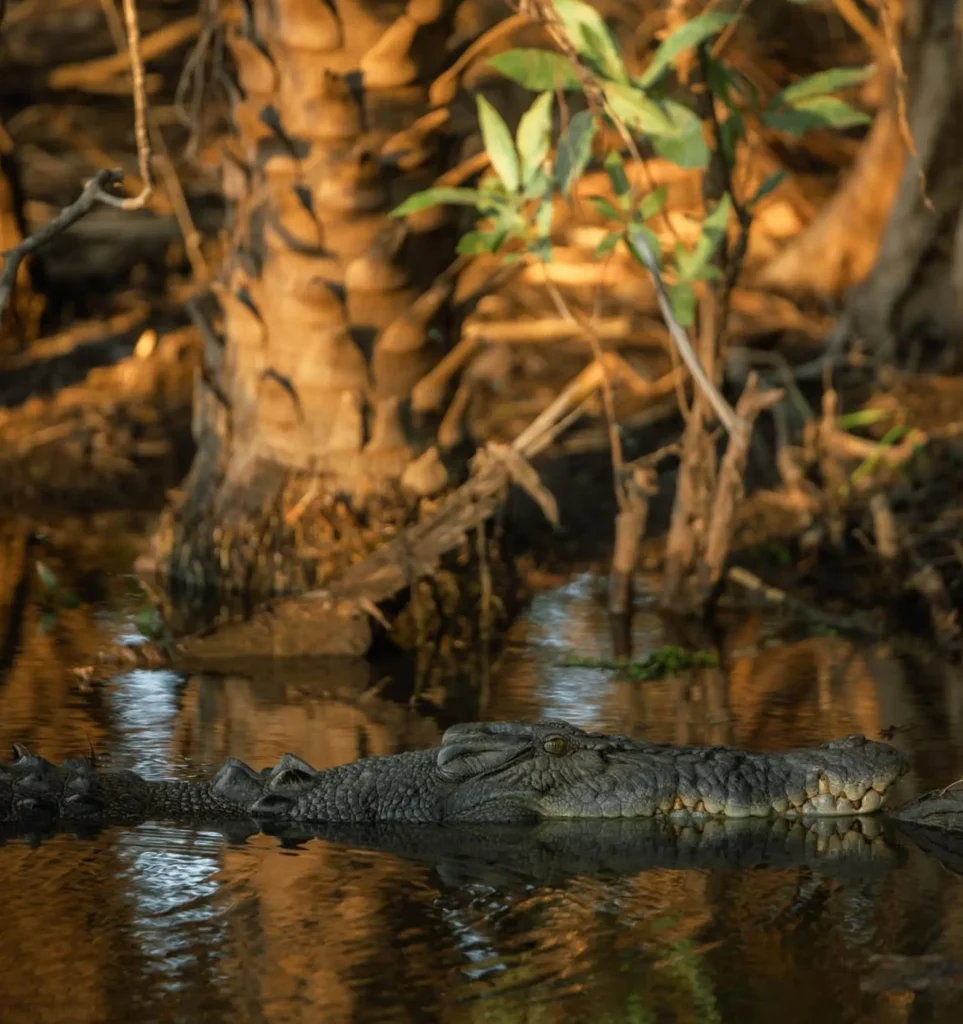
Dry season, tracks are open, waterfalls are pumping, and the place is buzzing. Wet season, tropical storms roll in, roads close, and croc numbers spike — but the park’s wilder side shines. If you’re budget-conscious and don’t mind rain, the wet-season entry pass is cheaper.
Where and How to Buy Your Park Pass
You don’t have to wrestle with dodgy Wi-Fi at a roadhouse — you can buy passes online in advance through Parks Australia’s website. They’re also available at:
- Bowali Visitor Centre (Jabiru)
- Cooinda Lodge reception
- Some Darwin and Katherine tourism centres
Tip: screenshot your digital pass. Phone service drops out quicker than your patience when the GPS says “recalculating.”
What Your Kakadu Pass Actually Covers
This isn’t just a ticket to the bush. The entry pass gets you:
- Access to all open areas in the park
- Ranger-guided activities (seasonal)
- Support for cultural programs with Bininj/Mungguy Traditional Owners
- Funds for facilities, walking track maintenance and croc management
It doesn’t cover walking fees for guided treks, camping fees, fishing licences or commercial tours. Don’t rock up to a campsite expecting your pass to count as a free overnight stay — different fee systems apply, and tour operators need a tourism license.
Travel Hacks to Make Your Pass Work Harder
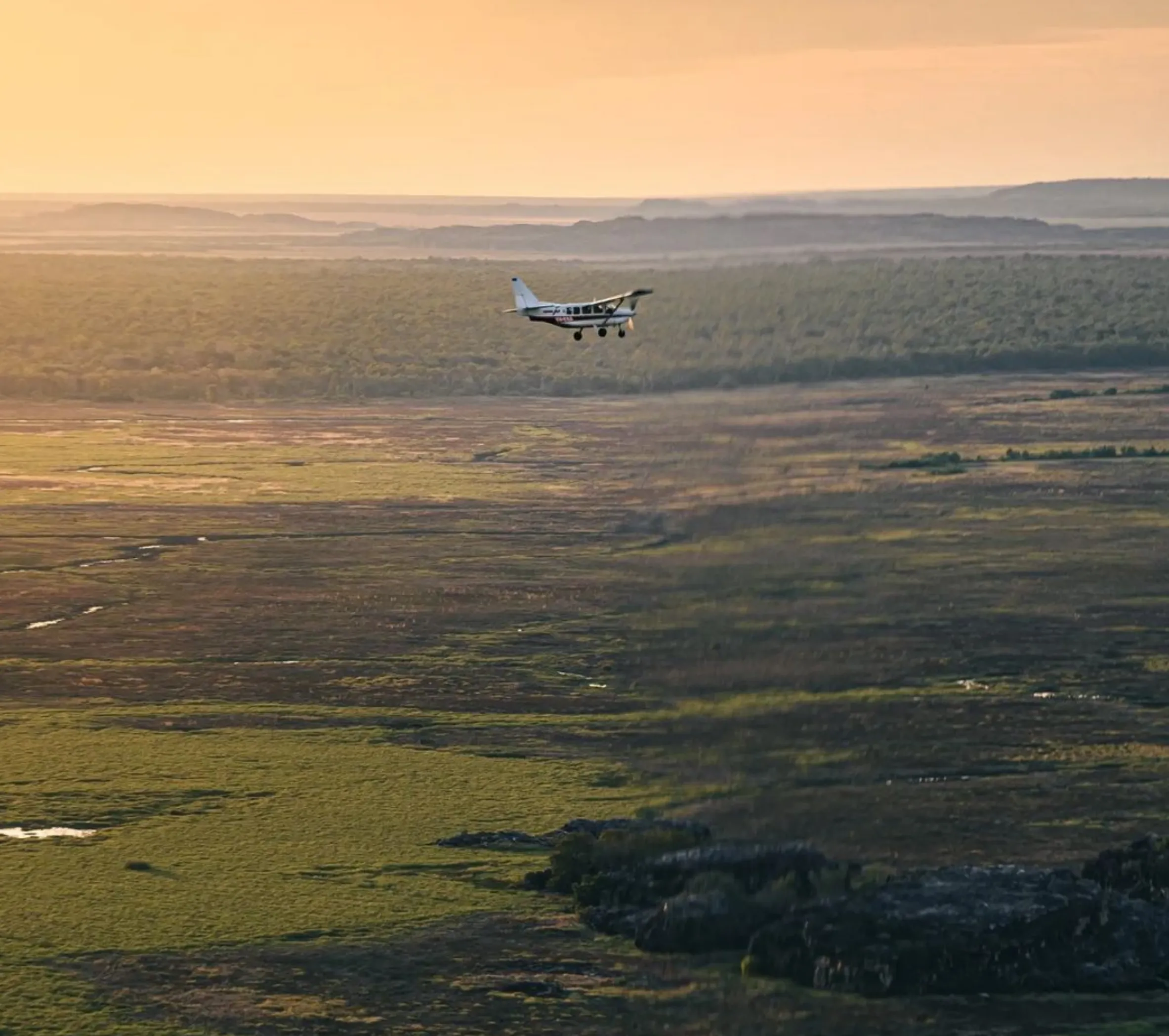
Your pass lasts 14 days, which is plenty if you plan smartly. Here’s how I stretch it:
- Start mid-trip: Buy your pass the day you actually enter, not the day you land in Darwin.
- Cluster big-ticket spots: Do Ubirr, Nourlangie, Jim Jim Falls and Twin Falls in the same fortnight.
- Mix in free NT stops: Litchfield and Nitmiluk (Katherine Gorge) are separate and have different fee systems.
- Ask about seasonal ranger walks: These are free with your pass and give deeper insight into Country.
When I first took a group up to Jim Jim in the Dry, half the track was corrugated enough to rattle the fillings out of your teeth. But the waterfall swim in those natural infinity pools made the whole pass worth it.
Seasonal Considerations You Can’t Ignore
Planning around seasons is half the battle in Kakadu. Here’s the reality:
- Dry Season (April–October): Roads are open, campgrounds fill fast, mozzies ease up, and ranger tours run daily.
- Wet Season (November–March): Flash floods, road closures and epic tropical storms. Cheap passes, yes — but you’ll need flexibility and a sense of humour.
Pro tip: if you hate mozzies, avoid December and January unless you’ve got industrial-strength repellent and a mozzie dome over your swag.
Cultural Respect and Pass Value
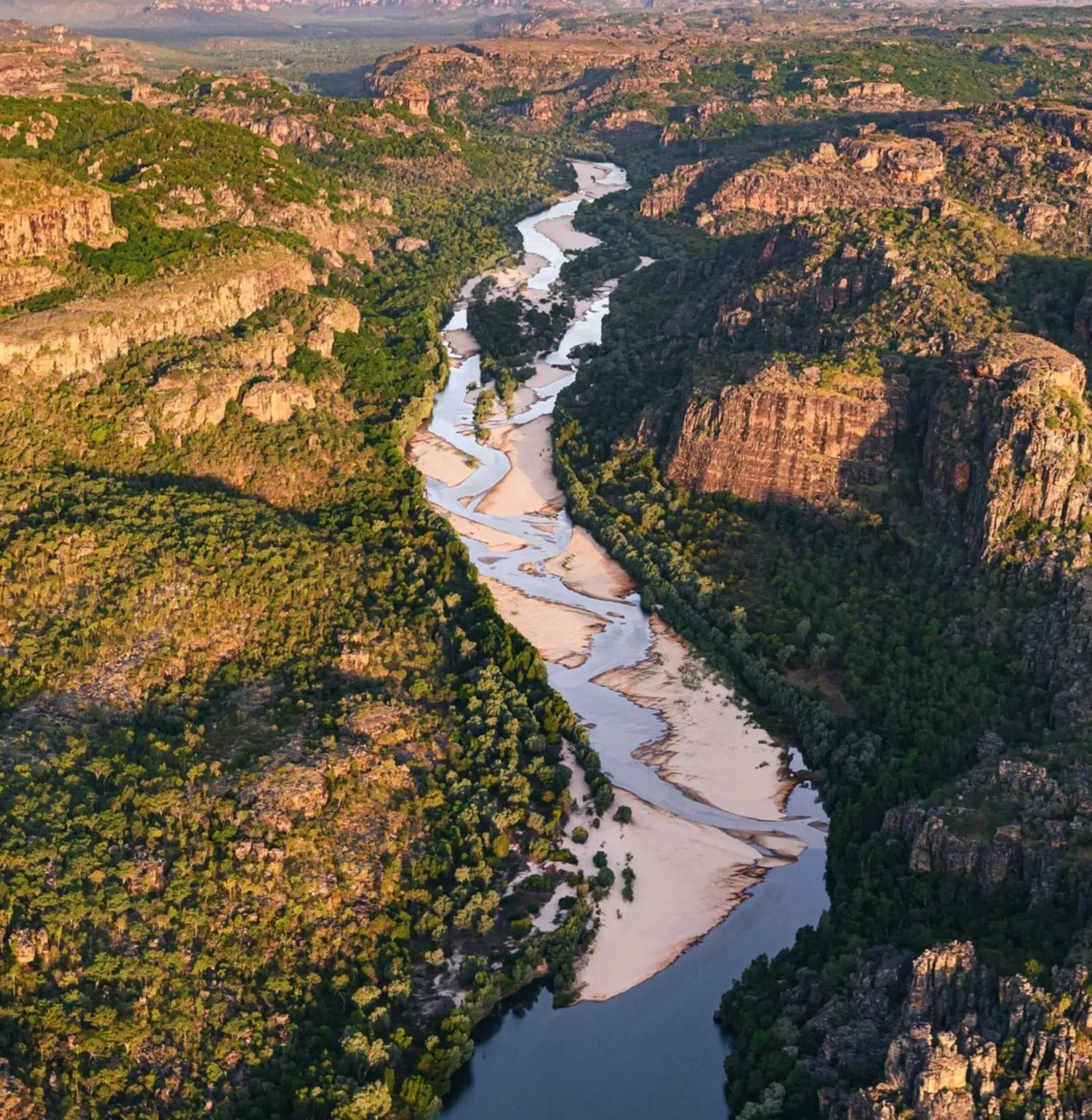
Remember, Kakadu isn’t just another outback stop. It’s Aboriginal land, jointly managed with Bininj/Mungguy Traditional Owners. The park pass isn’t just a ticket — it’s your contribution to ongoing cultural heritage work. Places like Ubirr and Nourlangie showcase Indigenous rock art with some rock drawings over 20,000 years old. Some even resemble a self-portrait from generations past.
One elder once told me: “This is our library. These paintings hold law, story, and memory.” Your $40 helps keep that library open.
Tours, Cruises and Local Experiences
Many travellers buy their entry pass and add on guided activities. For example, a Darwin to Kakadu day trip is perfect if you’re short on time but still want to see rock art and wetlands. If you’ve got more time, options like 2 day Kakadu tours from Darwin or even a 4 day Kakadu tour let you go deeper into waterfalls, wildlife and Indigenous culture. Many Kakadu National Park tours include extras like camping, meals and knowledgeable guides.
And for something different, add a Jumping Crocodile Cruise on the Adelaide River to your itinerary — those salties don’t disappoint. I’ve taken groups with Wildlife Tours who loved the combo of cruising, rock art and ranger talks.
Extra Rules to Remember
- No drones. Check permits before flying.
- Carry a driver’s licence for ID checks at ranger stations.
- Tour operators must have a valid tourism licence for guiding groups.
- Walking fees may apply for some guided cultural trails.
Checklist Before You Go
- Buy a pass online and screenshot the confirmation
- Carry a physical ID for concession or resident discounts
- Print maps — GPS drops out often
- Check the Parks Australia website for closures
- Pack mozzie repellent, plenty of water and a tyre repair kit
Wrap Up: Plan, Pay, Enjoy
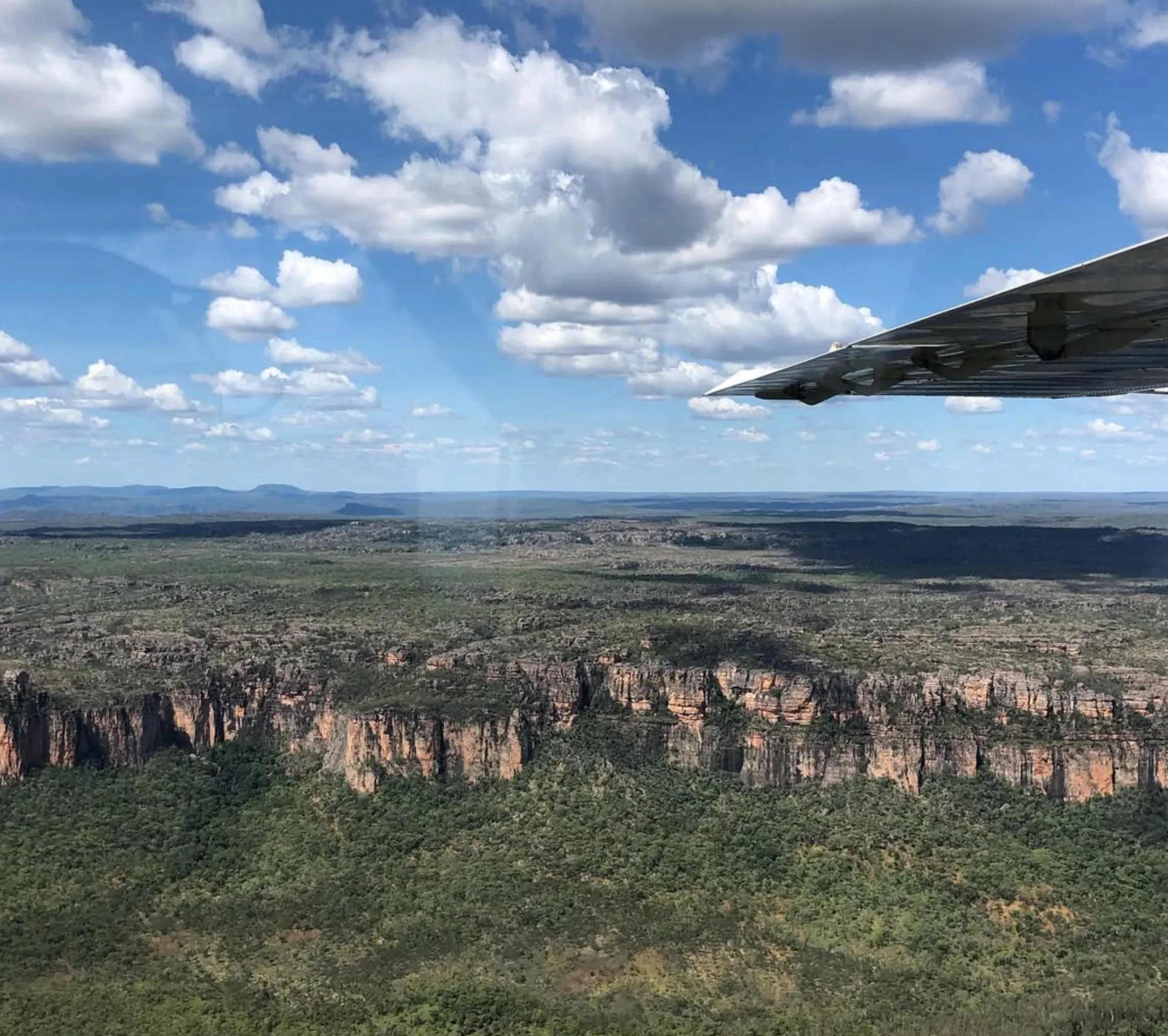
At the end of the day, worrying about how much a Kakadu Park Pass costs is missing the point. Forty bucks for two weeks in one of the world’s most culturally and naturally rich landscapes is a bargain. Whether you’re chasing sunsets at Ubirr, croc-spotting at Yellow Water or braving the corrugations into Jim Jim, the pass is your key to a real Top End adventure.
And if business development is on your radar, know that park pass revenue supports sustainable tourism models. Tour operators like Wildlife Tours and Get Lost Travel Group run small group tours with respect for Indigenous culture and local conditions. Drop me a line — I can point you in the right direction.
FAQ
Do I need to print my Kakadu Park Pass?
No, digital passes are accepted. Just keep a screenshot in case you lose reception.
Is camping included in the Kakadu Park Pass?
No. Camping fees are separate and range from $6–$15 per person per night, depending on the site.
Can I re-enter the park with the same pass?
Yes, the pass is valid for unlimited entries during your 14-day period.
Are there annual passes available for Kakadu?
No annual passes for Kakadu, but NT locals don’t have to pay.
What if parts of the park are closed due to flooding?
Pass prices don’t change mid-trip. It’s up to you to check conditions before you visit, though wet-season discounts reflect expected closures.