Phillip Island, a beautiful getaway off the coast of Victoria, is one of Australia’s most popular destinations. With its Penguin Parade, coastal views and wildlife, thousands of visitors come every year for wildlife encounters, motor racing at the Phillip Island Circuit and holiday houses and holiday parks.
Many travellers book Phillip Island tours to explore its stunning landscapes, wildlife sanctuaries and cultural heritage. But when it comes to land ownership, who actually owns Phillip Island? Let’s take a look at Crown Land, private land and conservation areas that make up this amazing island.
Government Ownership and Crown Land
A big chunk of Phillip Island is owned and managed by the State Government of Victoria. Large parts of the island are protected to preserve its unique ecosystems and Aboriginal culture. The main organisations involved in the management of the island are:
Phillip Island Nature Parks (PINP)
One of the biggest land holders on the island is Phillip Island Nature Parks (PINP). This not for profit organisation manages:
- The famous Penguin Parade at Summerland Beach, one of the top attractions on the island
- Churchill Island Heritage Farm and Churchill Island, historic sites
- Koala Conservation Reserve (formerly Koala Conservation Centre)
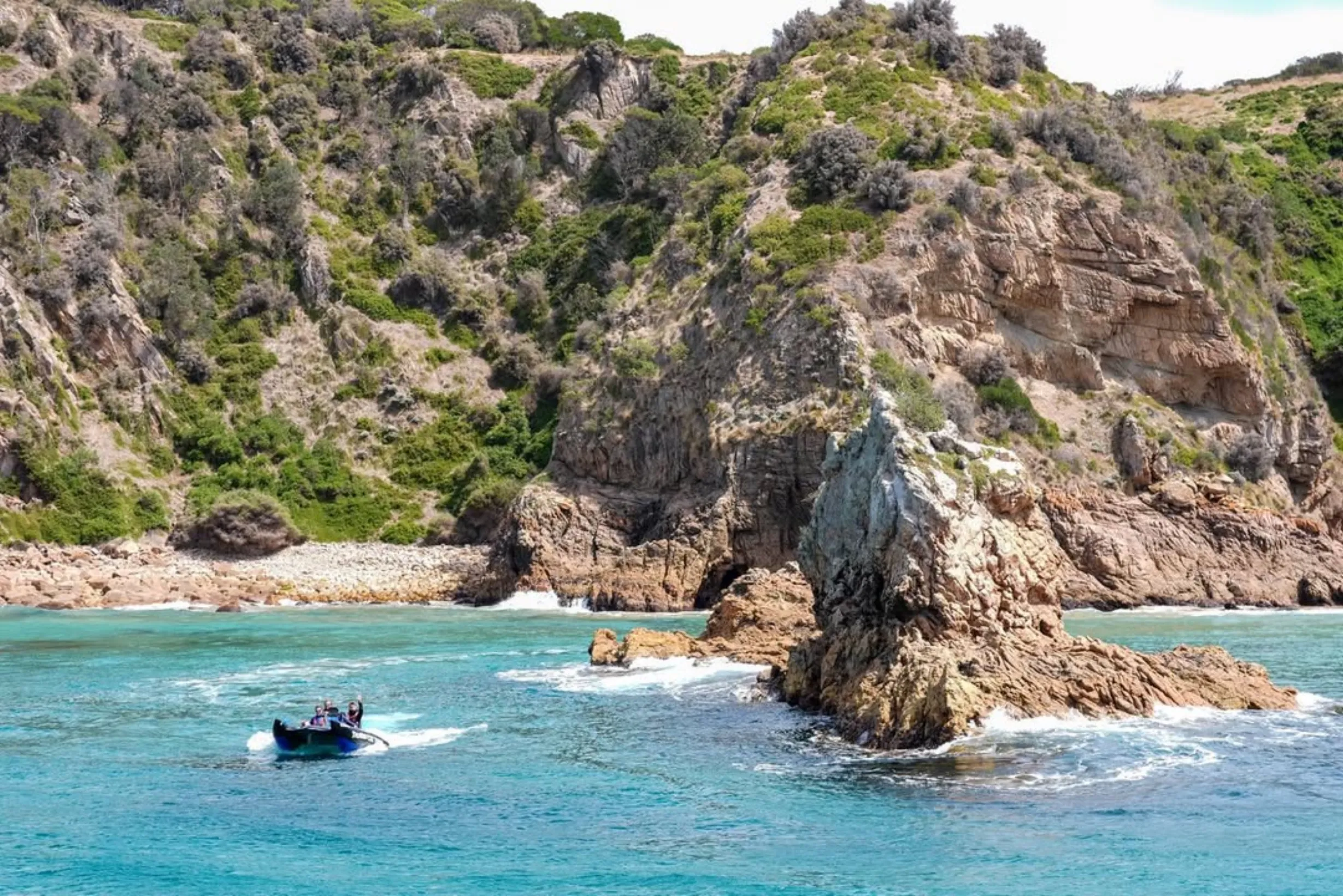
- Seal Rocks, home to Australia’s largest fur seal colony
- Swan Lake, a birdwatching paradise with diverse wildlife
If you want a structured wildlife experience Penguin Parade tours offer the chance to see the world’s smallest penguins return to shore in the evening.
Bass Coast Shire and Crown Land
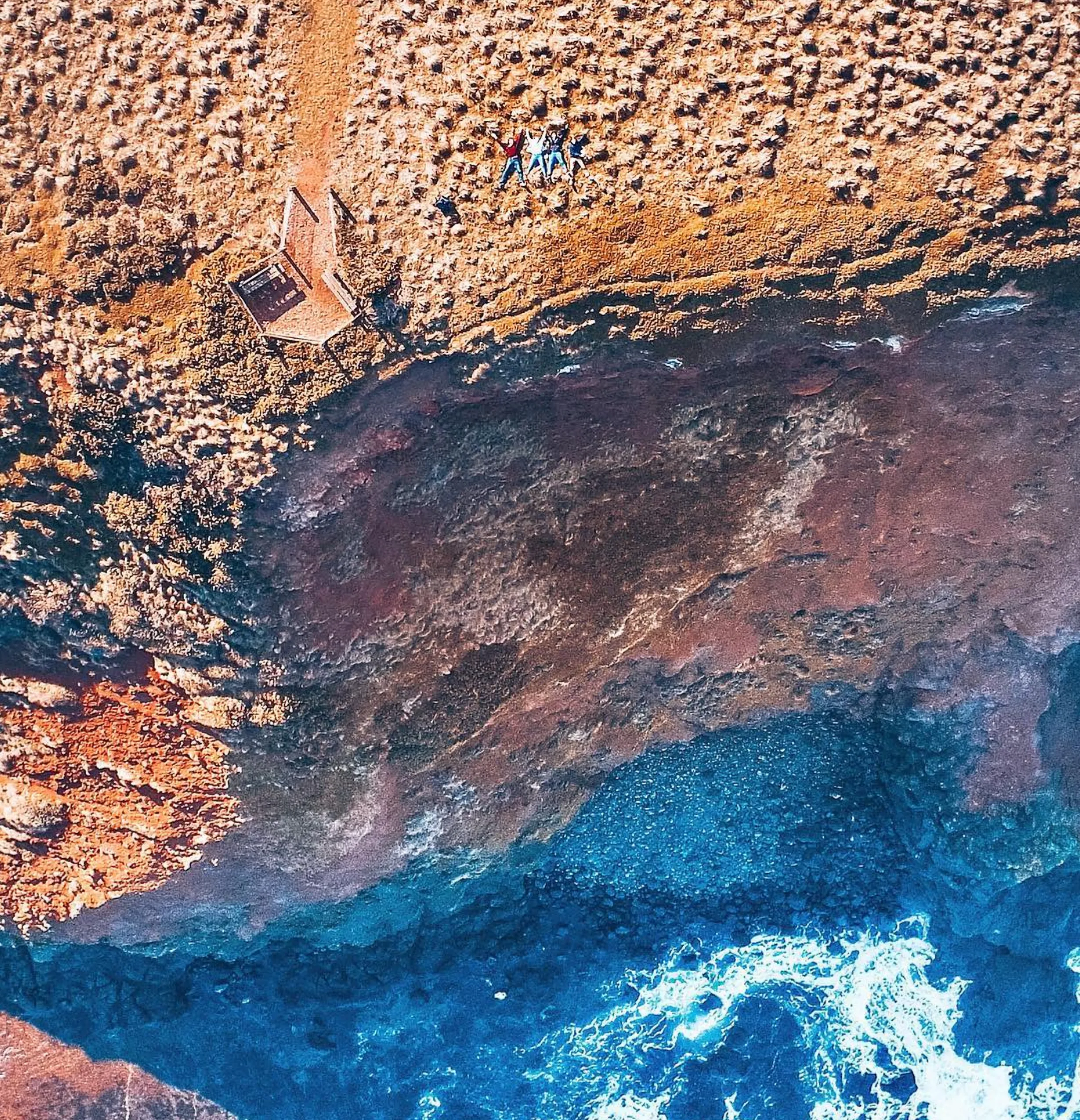
Phillip Island is managed by the Bass Coast Shire Council for development, infrastructure and tourism. Some coastal and conservation areas are Crown Land and have ongoing rehabilitation programs, species research programs and control programs for environmental protection.
Private Land and Residential Ownership
While much of Phillip Island is government controlled, private land is also part of the island’s landscape. Residential and commercial developments including holiday houses, beach houses and Turner House are spread across the island, mainly in Cowes and San Remo.
Farming properties on Churchill Island and other parts of Phillip Island are still operating with Bass Coast Health and Bass Coast businesses contributing to the local economy.
Historical Ownership and Indigenous Connection
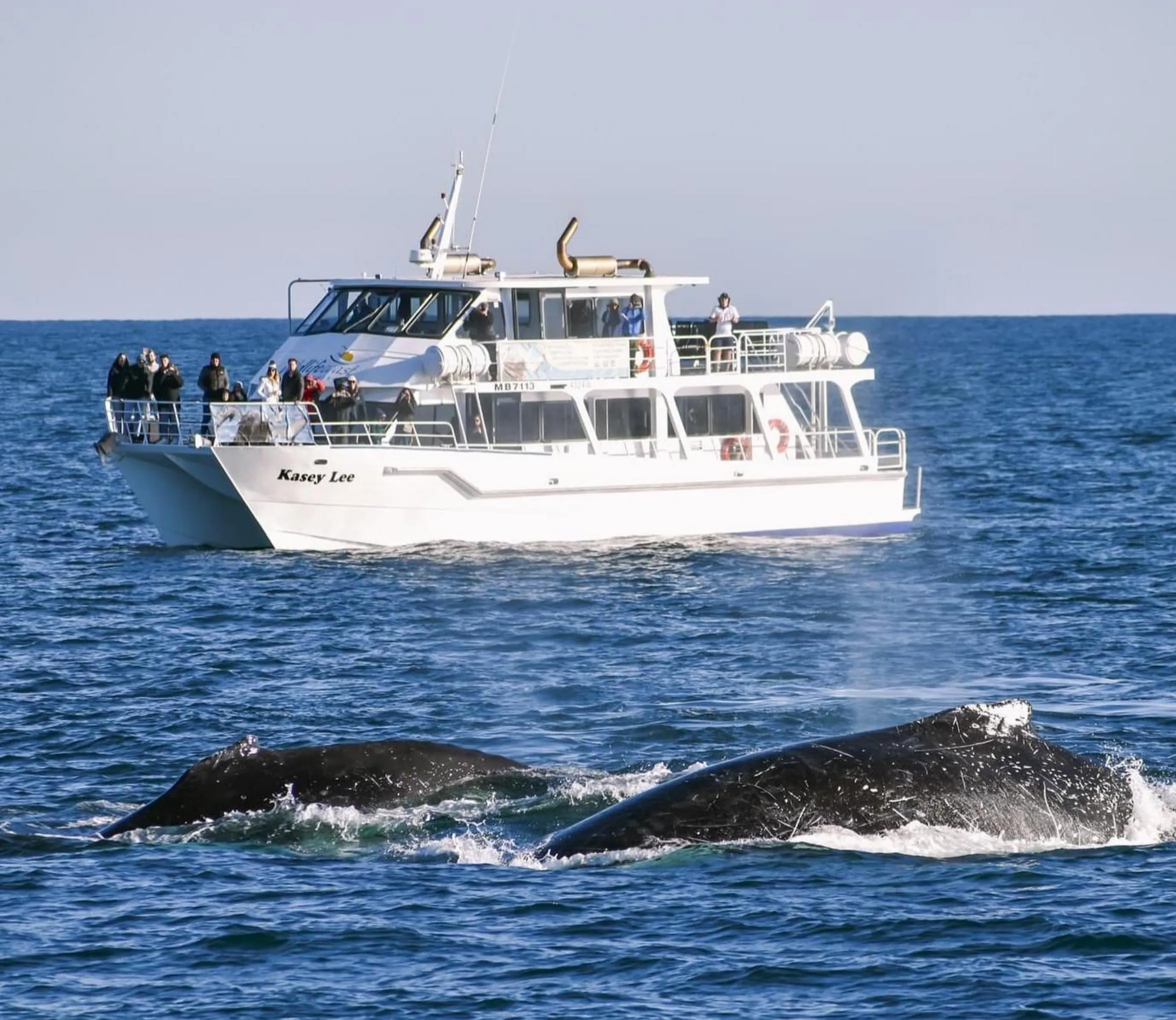
Before European settlement Phillip Island was home to the Bunurong people, the Traditional Custodians of the land. The island’s usual habitat range of species including short-tailed shearwaters was part of their lifestyle. Arthur Phillip originally mapped and named the island after himself and early settlers established farms, whaling stations and fishing industries.
Significant historical sites include:
- Amess House on Churchill Island
- Turner House, a historic homestead
- Western Port and Western Port Bay, where early explorers landed
- Cape Woolamai, known for its Woolamai Granite formations
Tourism and Conservation on Phillip Island
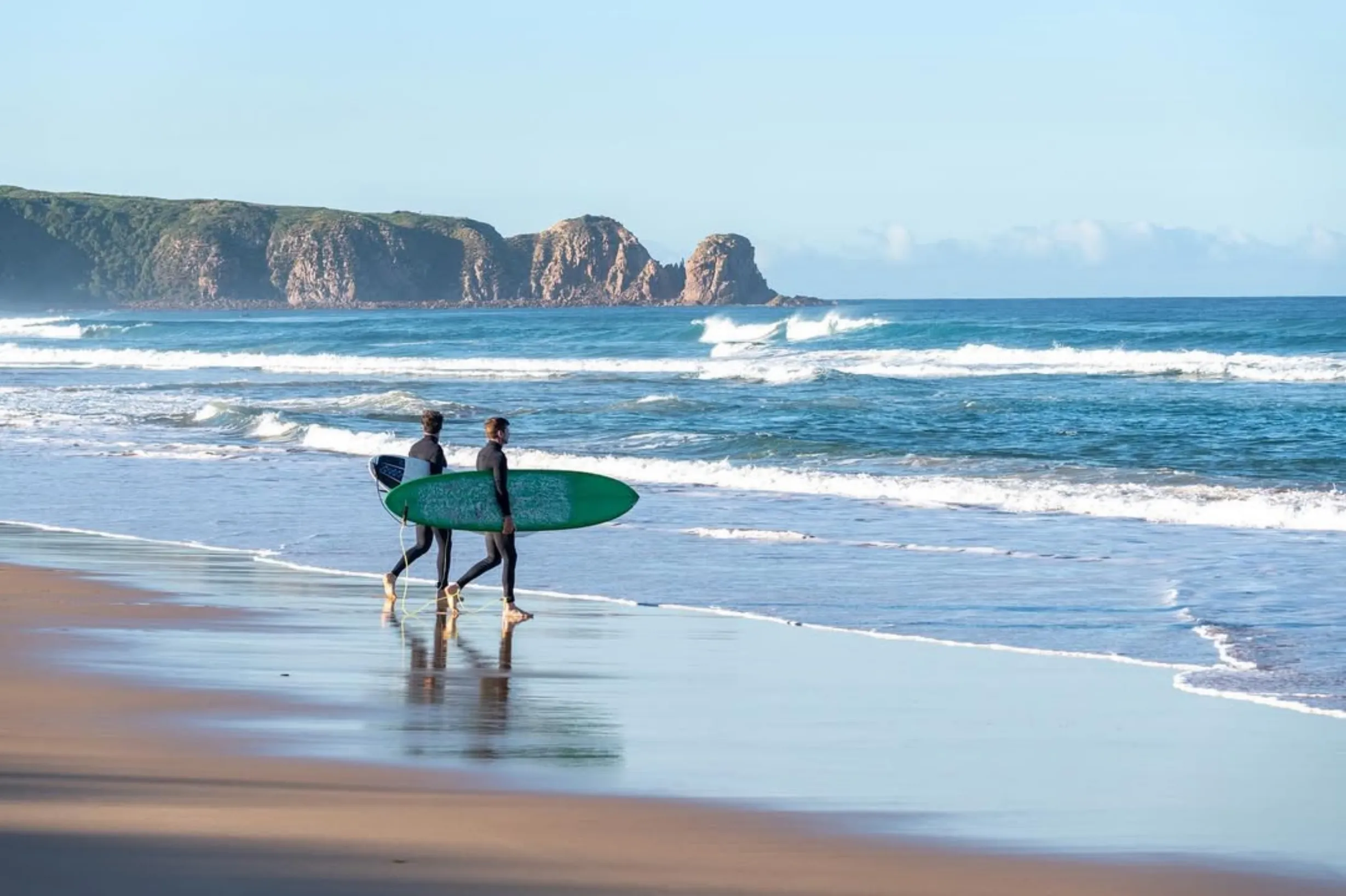
Today Phillip Island is a major road trip destination with a mix of adventure and relaxation. Many visitors opt for a Phillip Island tour from Melbourne which provides easy access to top attractions like Pyramid Rock, coastal cliffs and the Penguin Parade tours.
Visitors can:
- Summerland Beach, the perfect spot to see little penguins at dusk
- Viewing platforms and concrete viewing stands for the nightly viewing of little penguins
- Seal Rocks and Port Jackson, home to marine life
- Motor racing at the Phillip Island Circuit with historic racing cars and museum displays
To balance tourism with conservation the island has a 20 year intensive eradication program and visitor infrastructure improvements to protect its ecosystems.
Conclusion
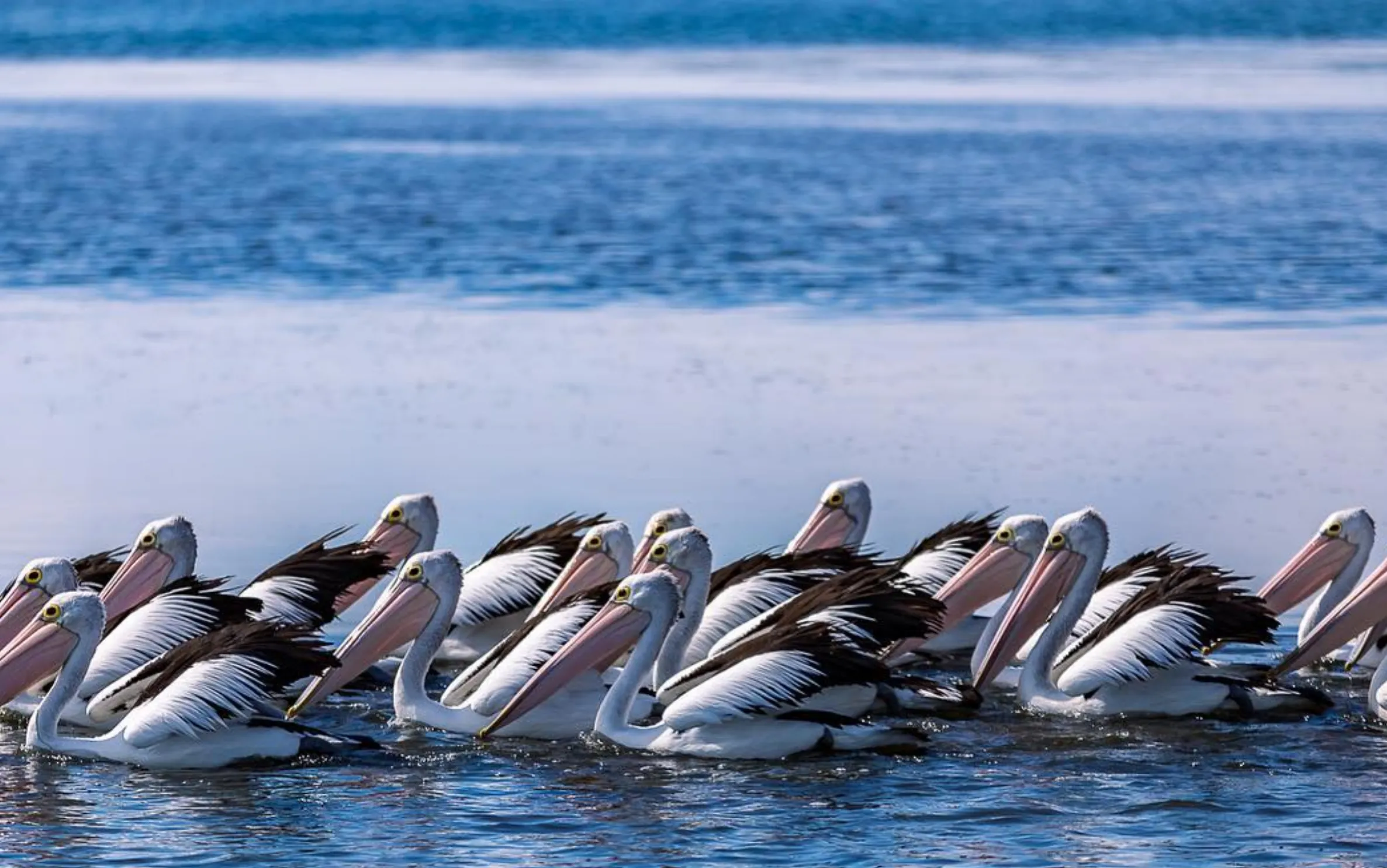
Phillip Island is a mix of government managed conservation areas, private land and historical sites, it’s one of Australia’s most dynamic destinations. Whether you’re enjoying the Penguin Parade tour, Koala Reserve or a 30 minute boat ride to Seal Rocks there’s something for everyone.
Want a window into paradise? Plan your trip today with a Phillip Island tour from Melbourne!
FAQ
Is Phillip Island privately owned or government owned?
Phillip Island is a combination of Crown Land, private land and conservation areas. The State Government of Victoria manages most of the island, Phillip Island Nature Parks manages the Penguin Parade, Koala Conservation Reserve and Churchill Island. But there’s also private properties including holiday houses, farms and businesses.
Can you buy land on Phillip Island?
Yes private land is available for purchase on Phillip Island, including residential homes, holiday resorts and commercial properties. But there are strict zoning laws and conservation regulations that protect areas of natural habitat especially along the western coasts, cliff edges and Summerland Peninsula.
Who manages the Penguin Parade on Phillip Island?
The Penguin Parade tour at Summerland Beach is managed by Phillip Island Nature Parks, a not for profit organisation dedicated to conservation and tourism. The area has viewing platforms, 180 degree viewing stands and nightly viewing experiences designed to minimize environmental impact while allowing visitors to see the penguins in their natural habitat.
How do I visit Phillip Island?
Visitors can self drive and visit the island on a road trip or book a Phillip Island tour from Melbourne. Many tours include stops at Cape Woolamai, Seal Rocks, Churchill Island Heritage Farm and the famous Penguin Parade tours. There are also boat rides, wildlife parks and motor sport displays at the Phillip Island Circuit.
What Indigenous history is associated with Phillip Island?
Phillip Island has cultural importance to the Bunurong people, the Traditional Owners of the land. The Bunurong Land Council Aboriginal Corporation looks after the island’s Aboriginal culture, native vegetation and historical sites. The island’s traditional habitat, including areas like Western Port Bay and Port Jackson was home for thousands of years.